


Yellow biotechnology, also known as food biotechnology, is the branch of biotechnology focused on the design, transformation and preservation of foods and ingredients through microorganisms, enzymes, starter cultures and fermentation processes.
It goes far beyond classic examples such as bread, beer or yogurt. Today it also includes probiotics, postbiotics, precision fermentation, functional ingredients and new food production routes that aim to be more efficient, traceable and sustainable.
Yellow biotechnology connects food science, microbiology and bioprocess engineering to create safer, better and more efficient foods and ingredients.
What is yellow biotechnology?
Yellow biotechnology is the branch of biotechnology applied to food and ingredients. It uses microorganisms, starter cultures, enzymes and controlled fermentation to transform raw materials into products with defined sensory, nutritional and functional properties.
It differs from green biotechnology because its focus is not primary agriculture in the field, but the transformation stage. It also differs from white biotechnology because its final goal is not industrial chemicals or materials, but safe, appealing and efficient food-related products.
Yellow biotechnology is not only about traditional fermentation, it is also about modern food engineering through biology.
Main applications of yellow biotechnology
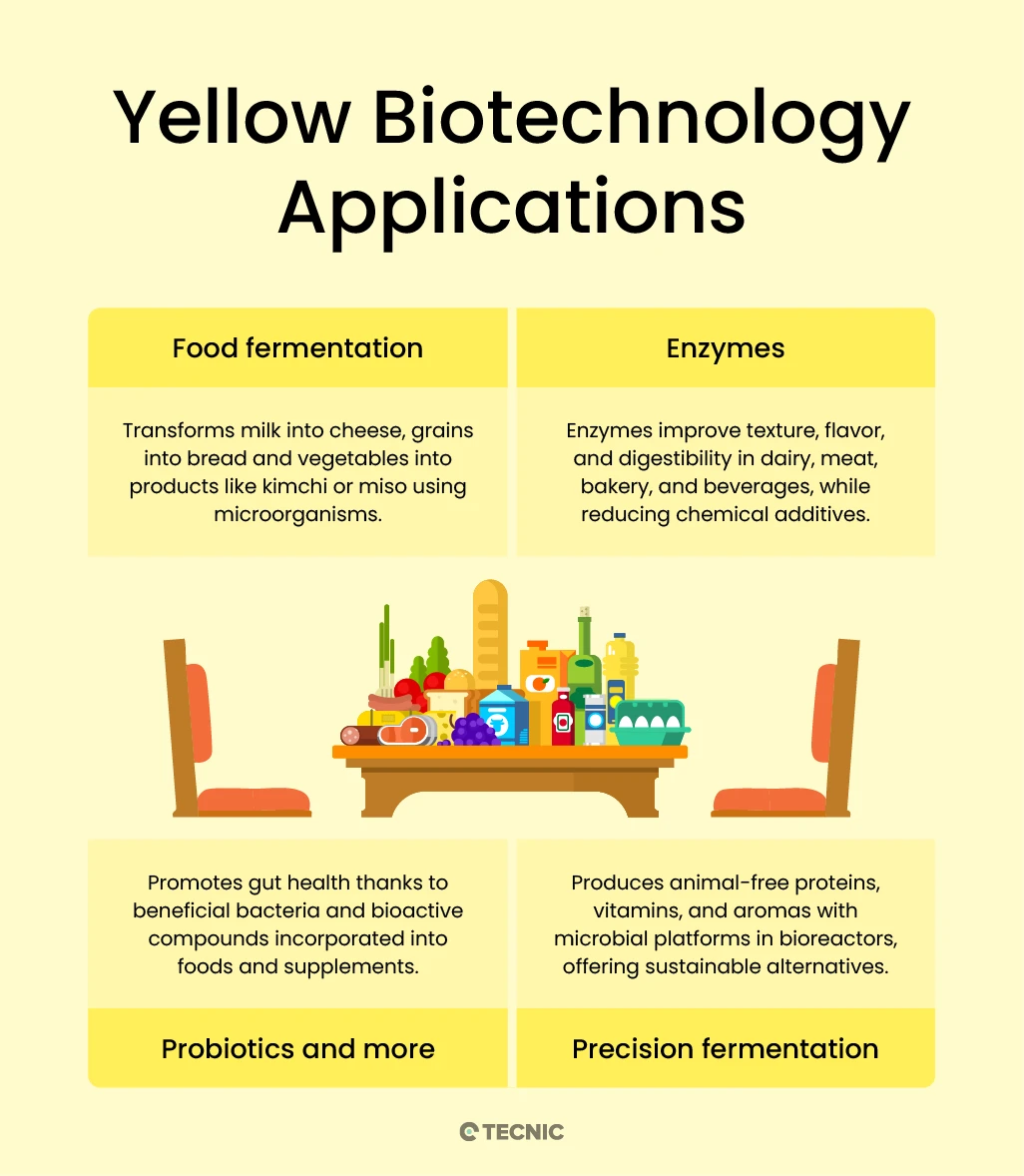
Yellow biotechnology is already present in both traditional and advanced food systems. Its applications range from classic fermentation to highly engineered ingredient production.
Includes yogurt, cheese, kefir, kombucha, beer, wine, bread, kimchi, miso and many other food traditions.
Includes probiotics, postbiotics and other ingredients aimed at digestive or immune-related benefits.
Used to improve texture, digestibility, flavor, processing yield and product stability.
Includes proteins, flavors, lipids and other food components produced through precision fermentation.
How fermentation and enzymes are used in yellow biotechnology
Fermentation is the core of yellow biotechnology. Microorganisms transform sugars and other substrates into acids, gases, alcohols, textures and aromas that define food products and ingredients.
Fermentation
Used to create foods such as yogurt, cheese, bread, beer and kombucha, and also to produce probiotics, microbial biomass and novel ingredients.
Enzymes
Used to improve digestibility, remove lactose, clarify liquids, optimize texture, release flavor compounds and support cleaner formulations.
Fermentation builds the product through biology, while enzymes fine-tune performance with highly specific actions.
Main benefits of yellow biotechnology for food systems
Yellow biotechnology offers clear value because it can improve food safety, product quality, functional performance and industrial efficiency at the same time.

Precision fermentation and new food ingredients
One of the most visible expansions of yellow biotechnology is precision fermentation. In this approach, microorganisms such as yeasts, bacteria or fungi are guided to produce highly specific molecules such as dairy proteins, egg proteins, flavors, vitamins or structured lipids.
This does not replace traditional yellow biotechnology, but extends it. It turns fermentation into a much more targeted production route for next-generation foods and ingredients.
Precision fermentation makes yellow biotechnology look more advanced, but it still depends on the same fundamentals, strains, process control, scale-up and downstream logic.
How TECNIC fits this workflow
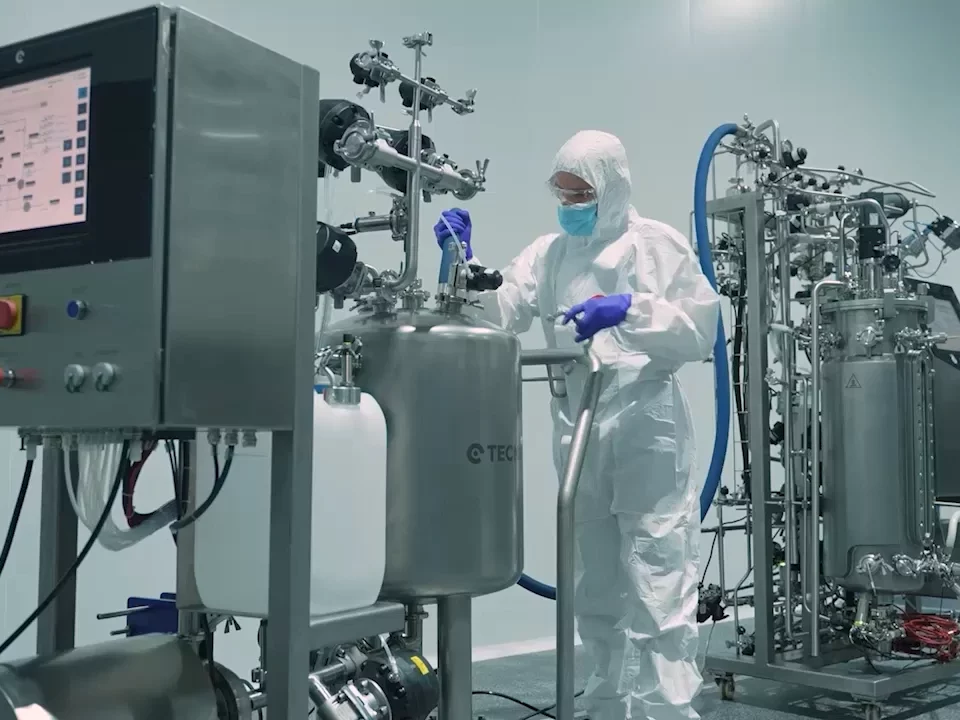
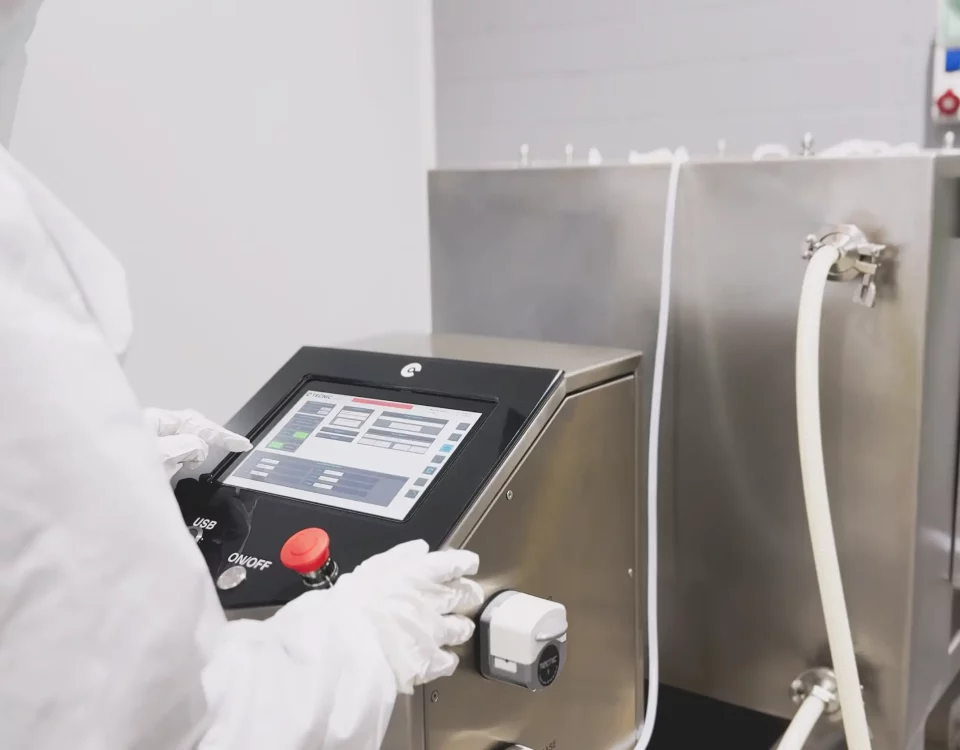
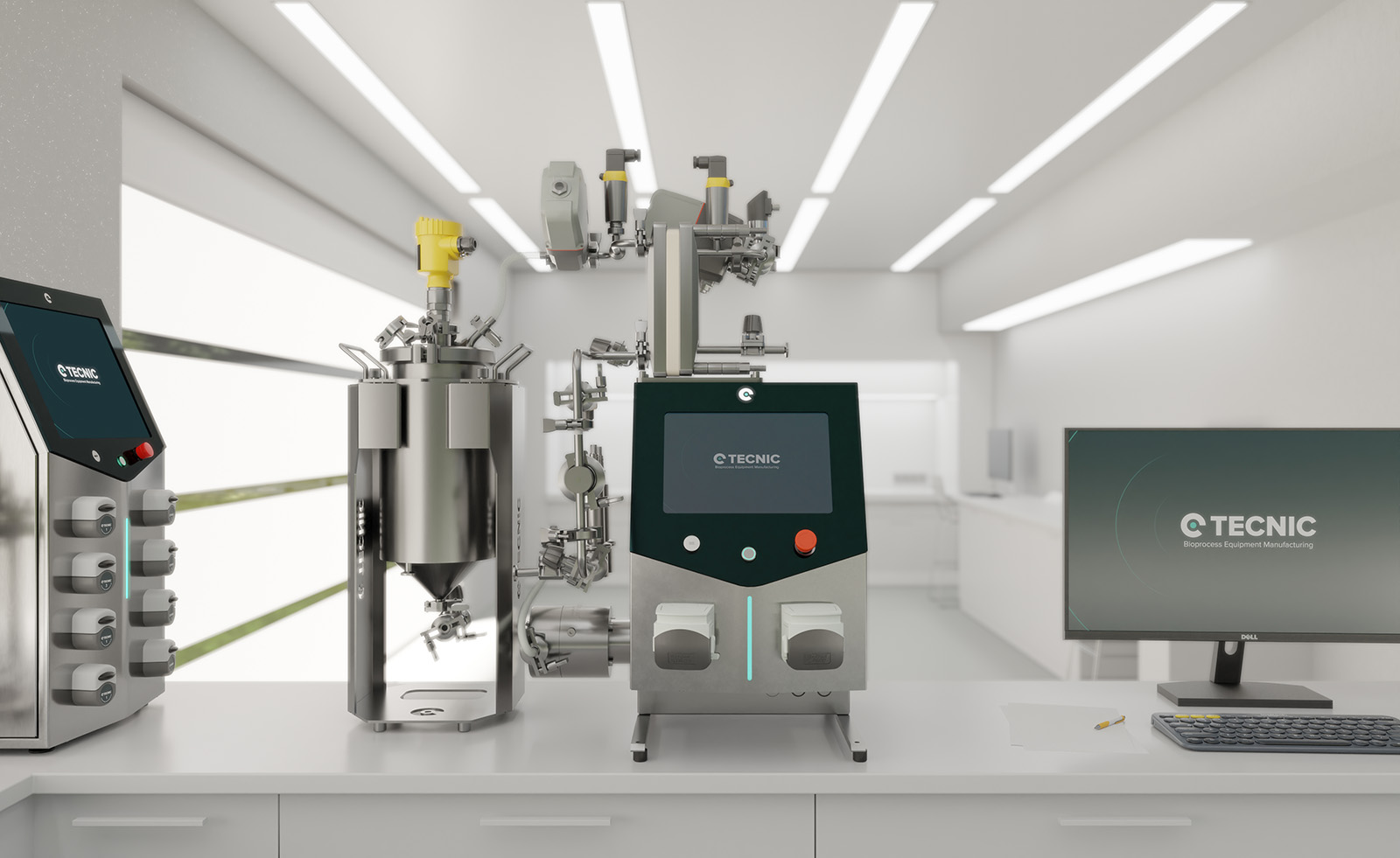
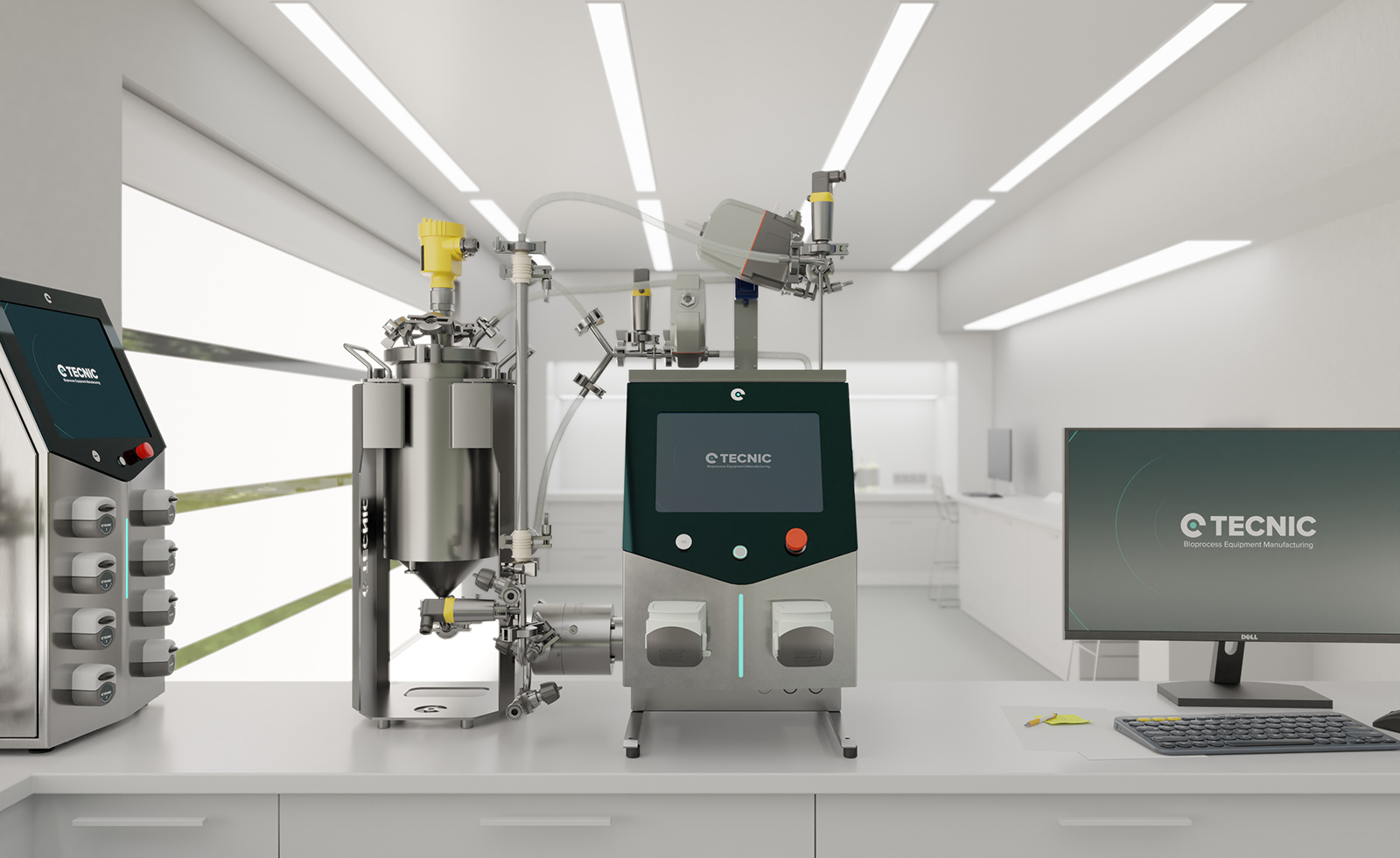
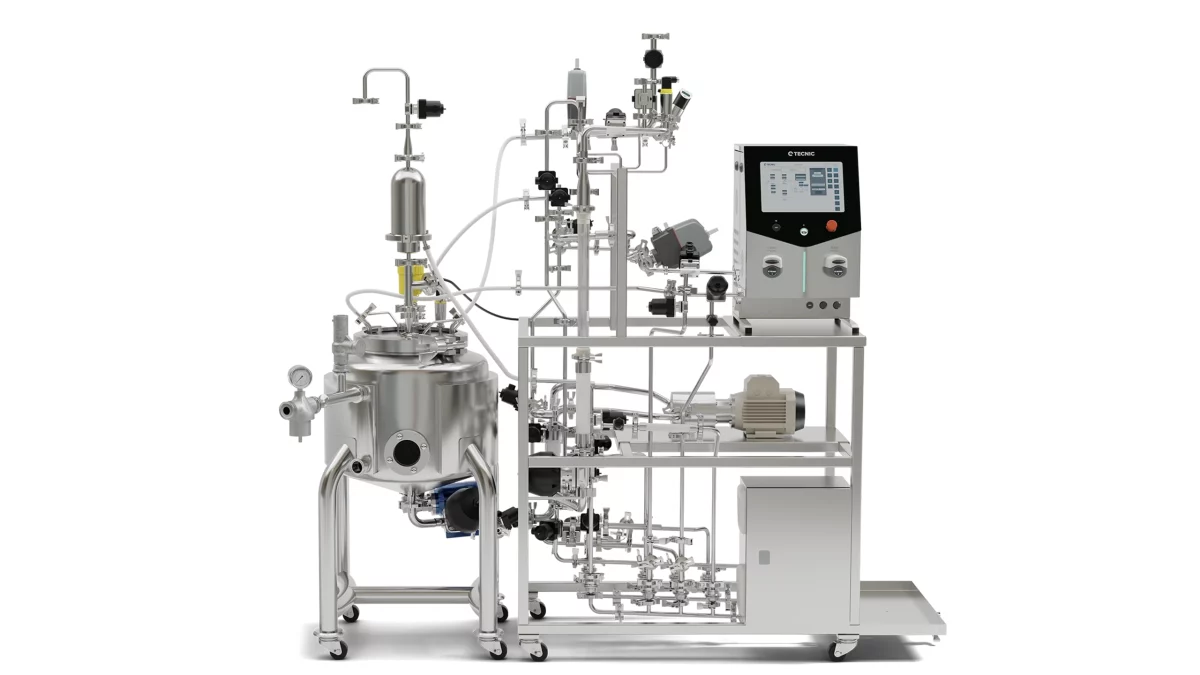
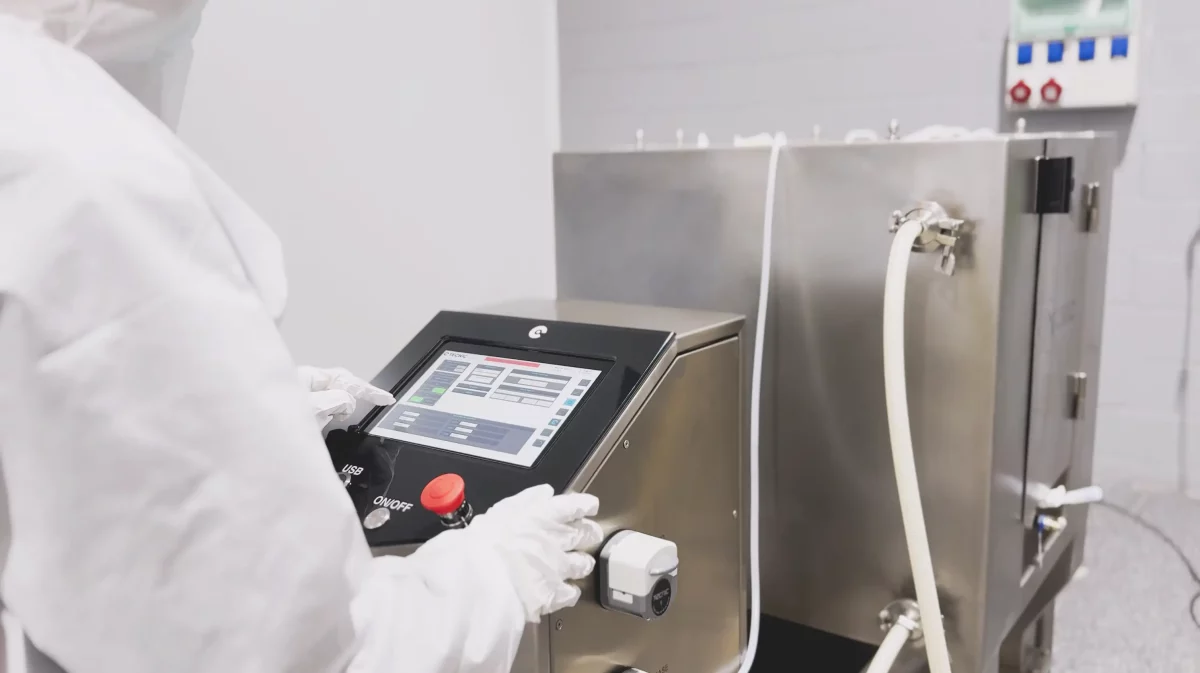
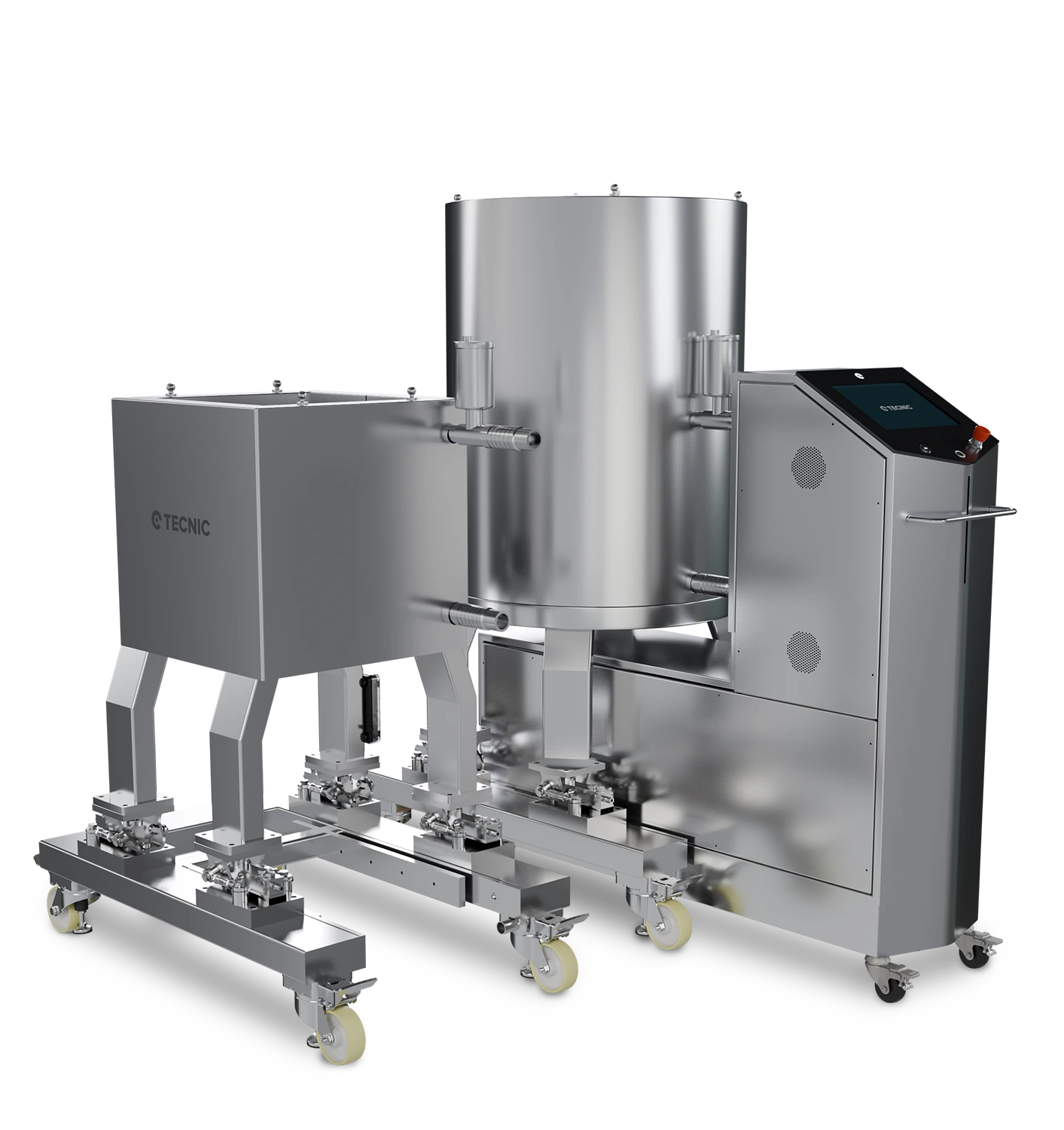
TECNIC fits this topic directly because yellow biotechnology depends on controlled fermentation, reproducible scale-up and reliable processing equipment. From cultures and enzymes to precision fermentation, the biological idea only creates value when the process can be managed consistently.
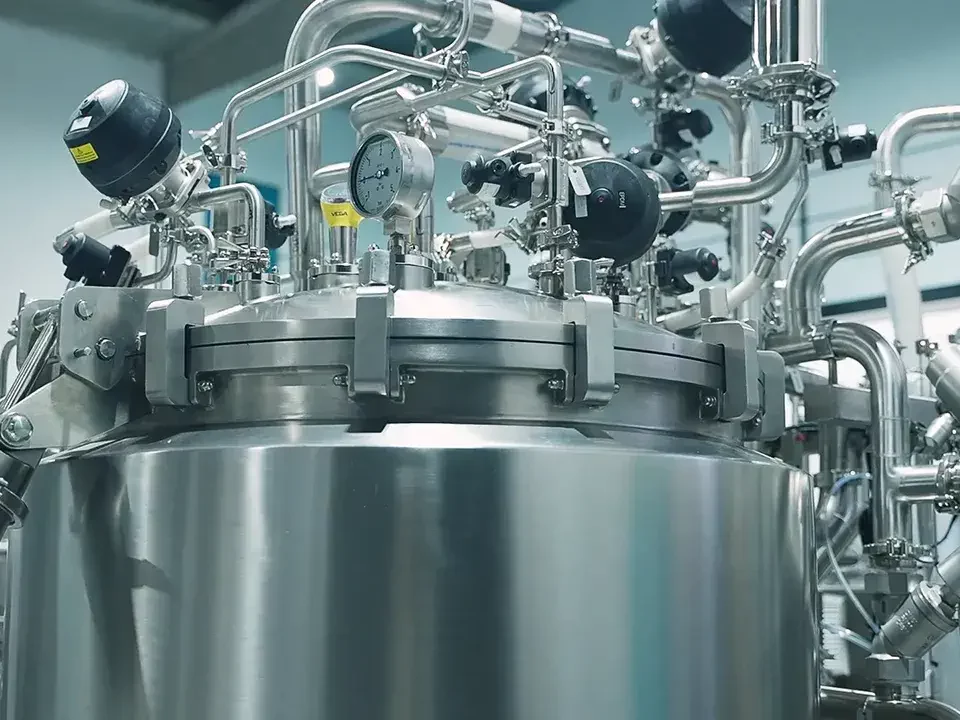
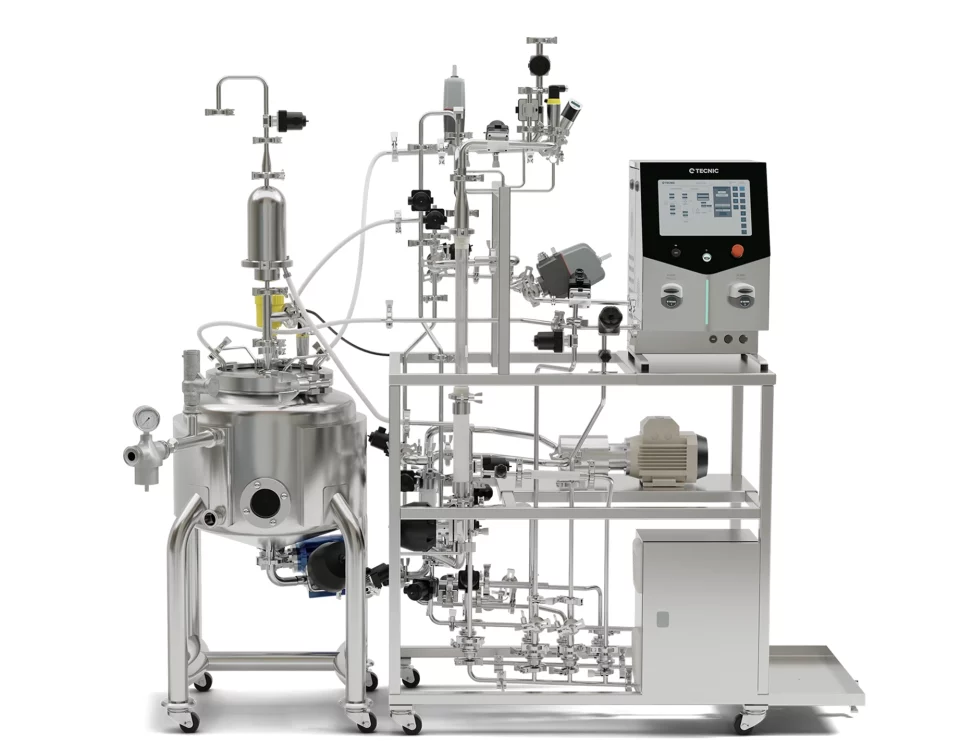
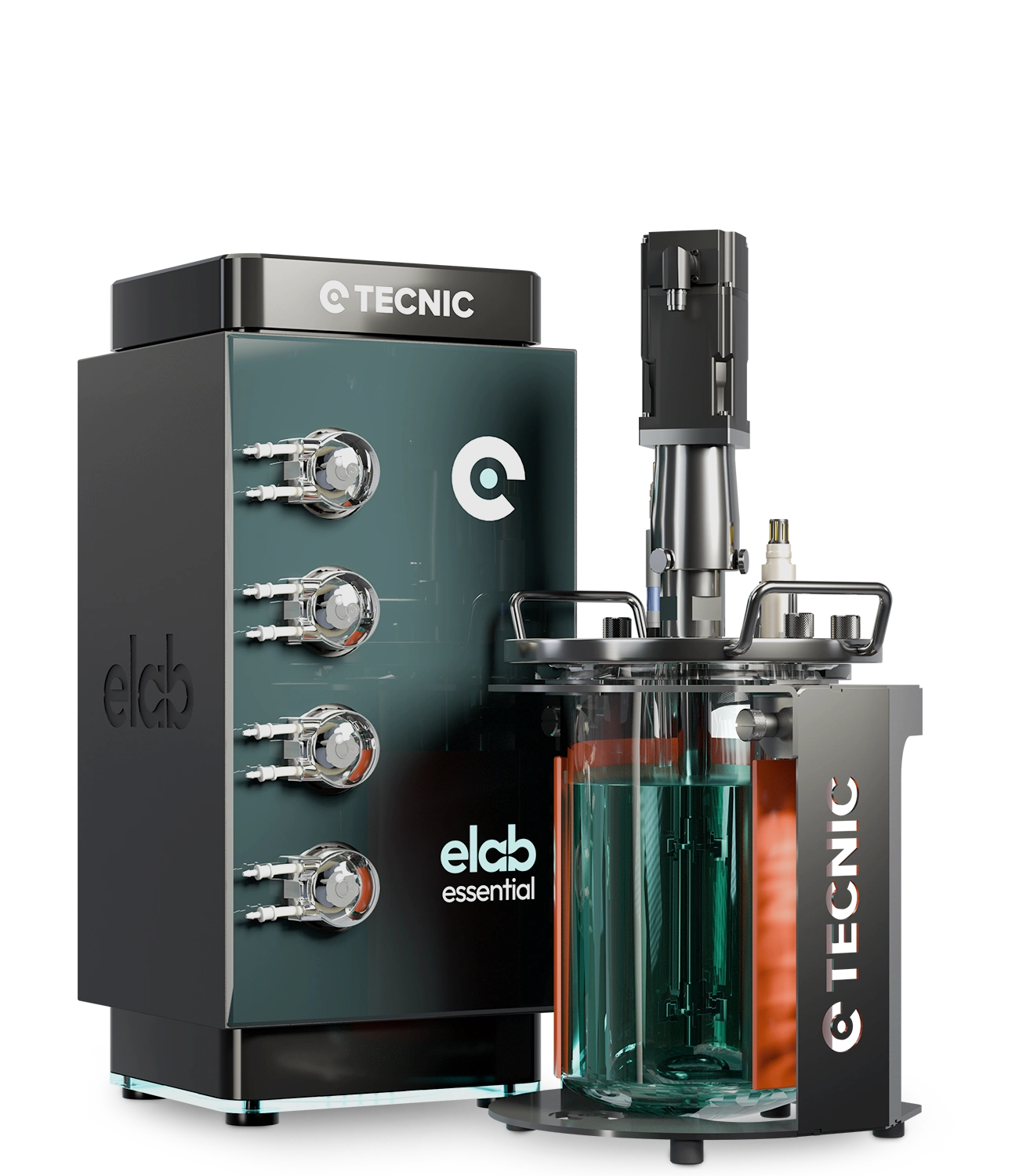
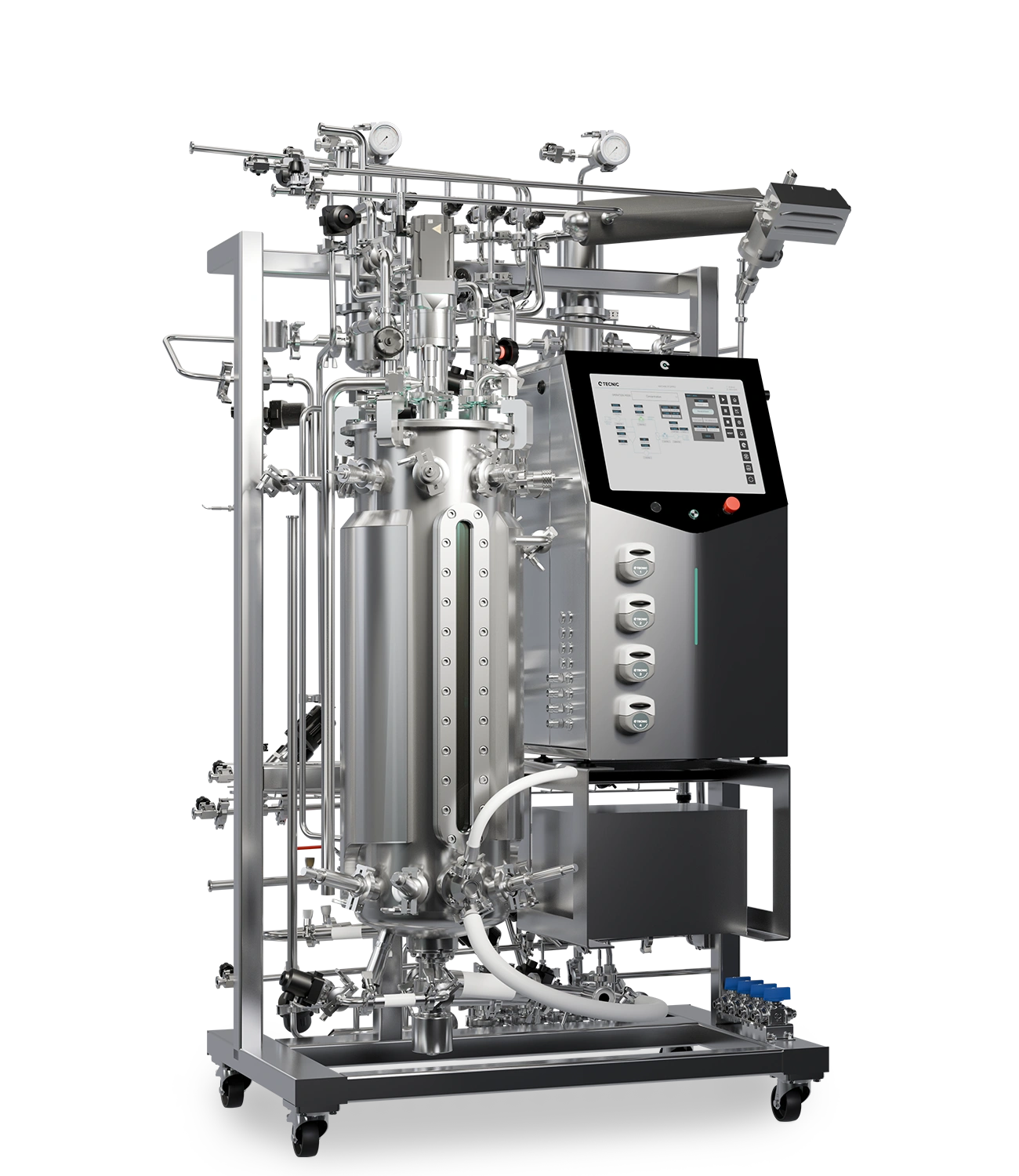
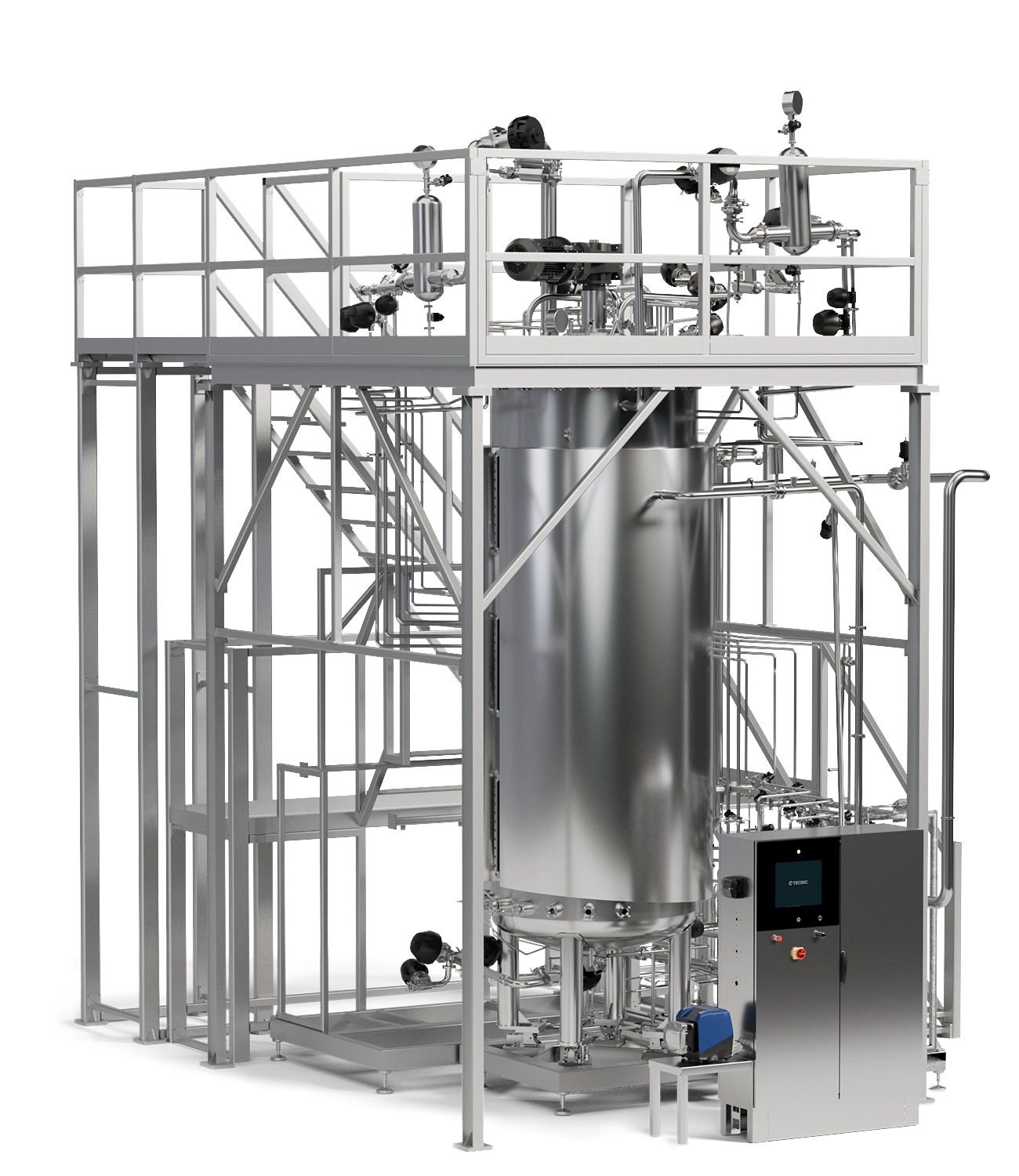
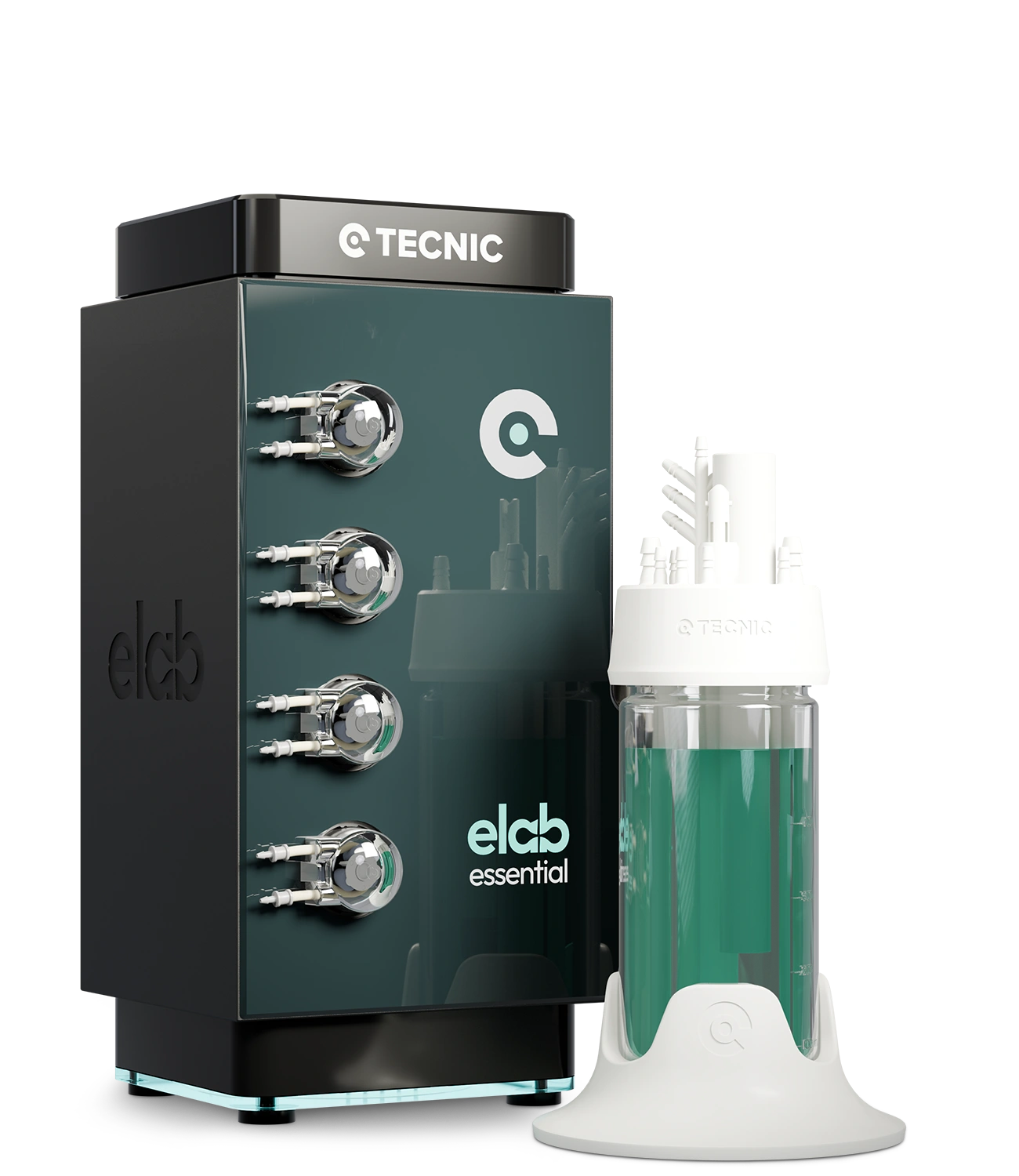
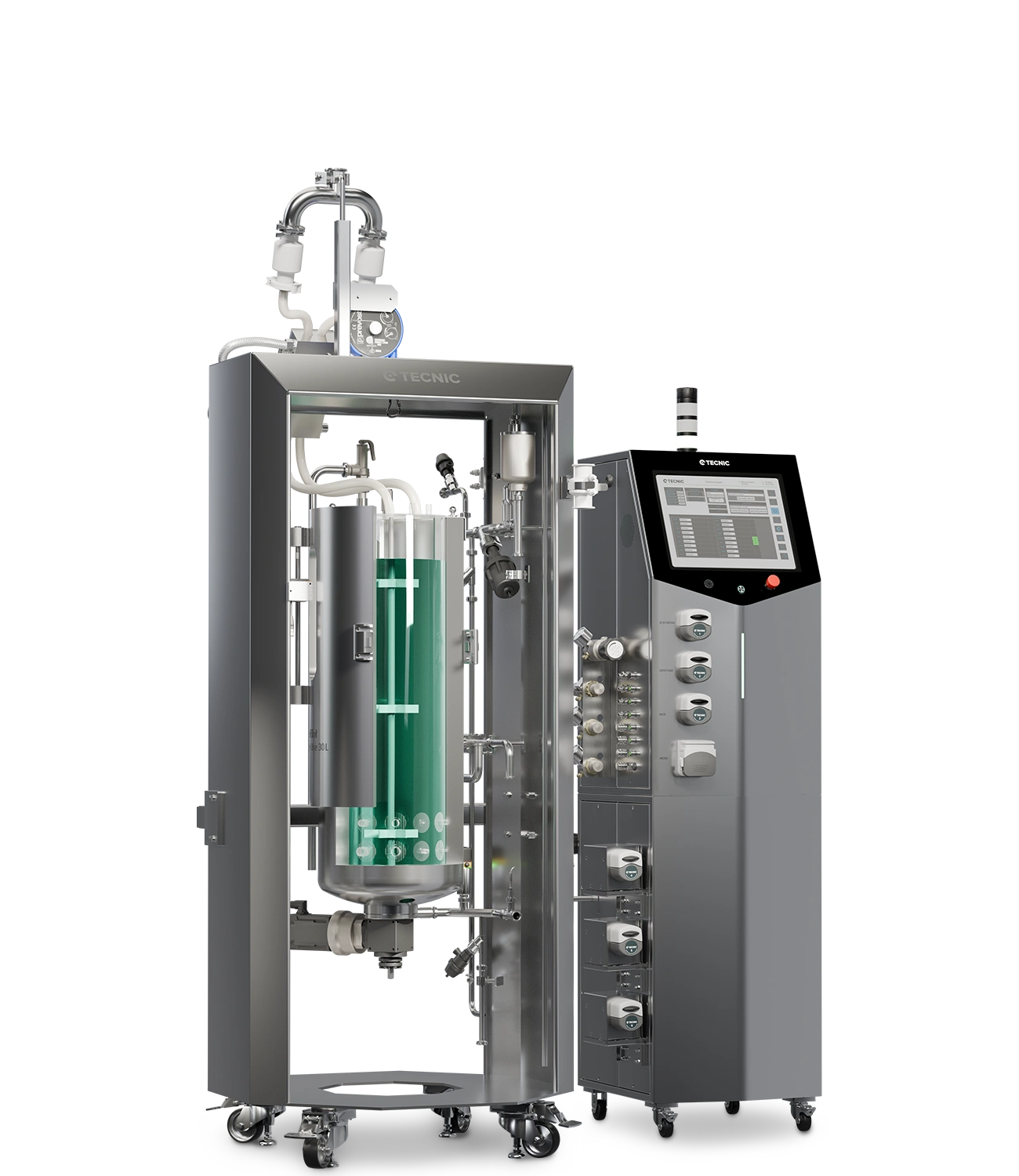
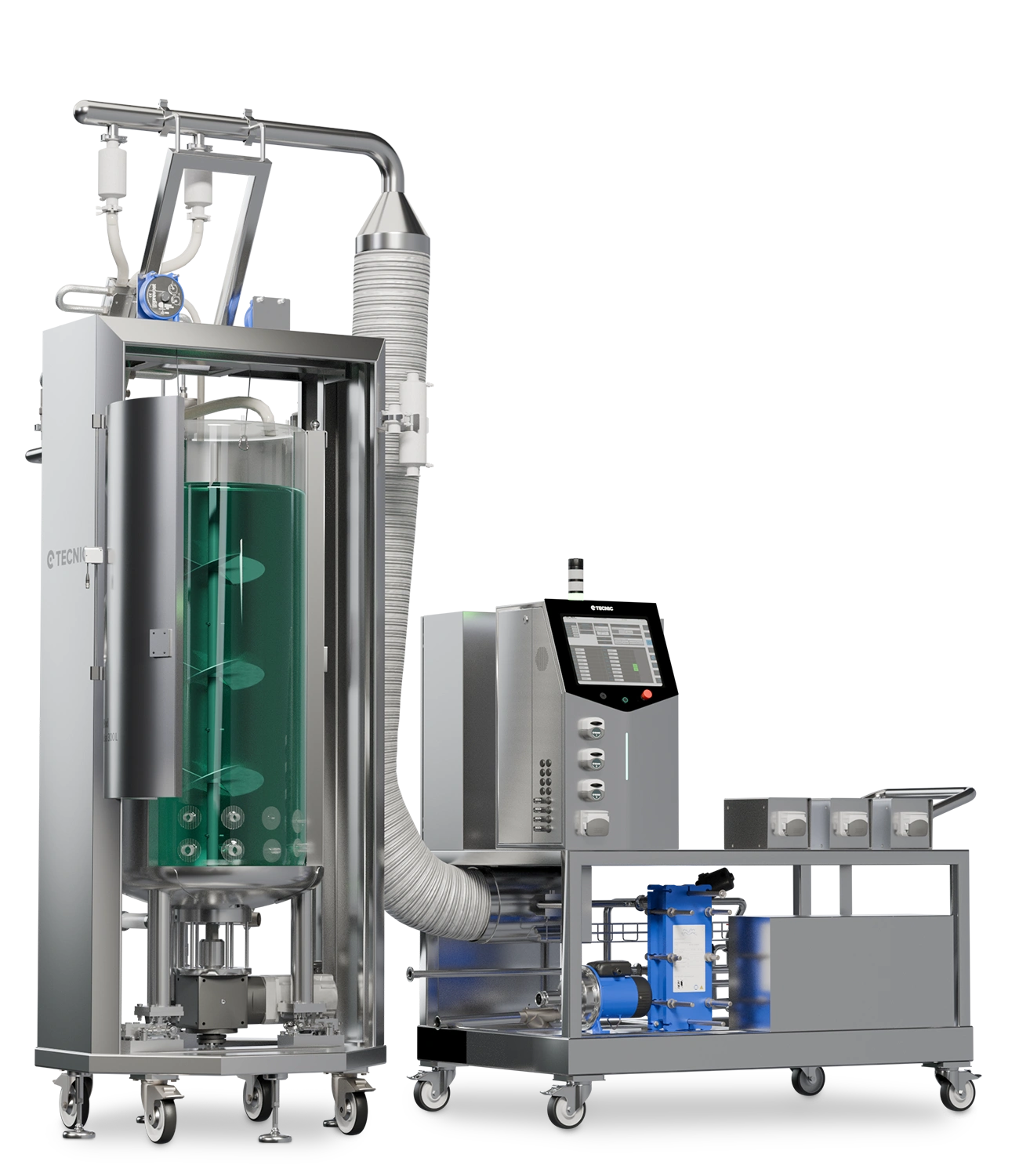
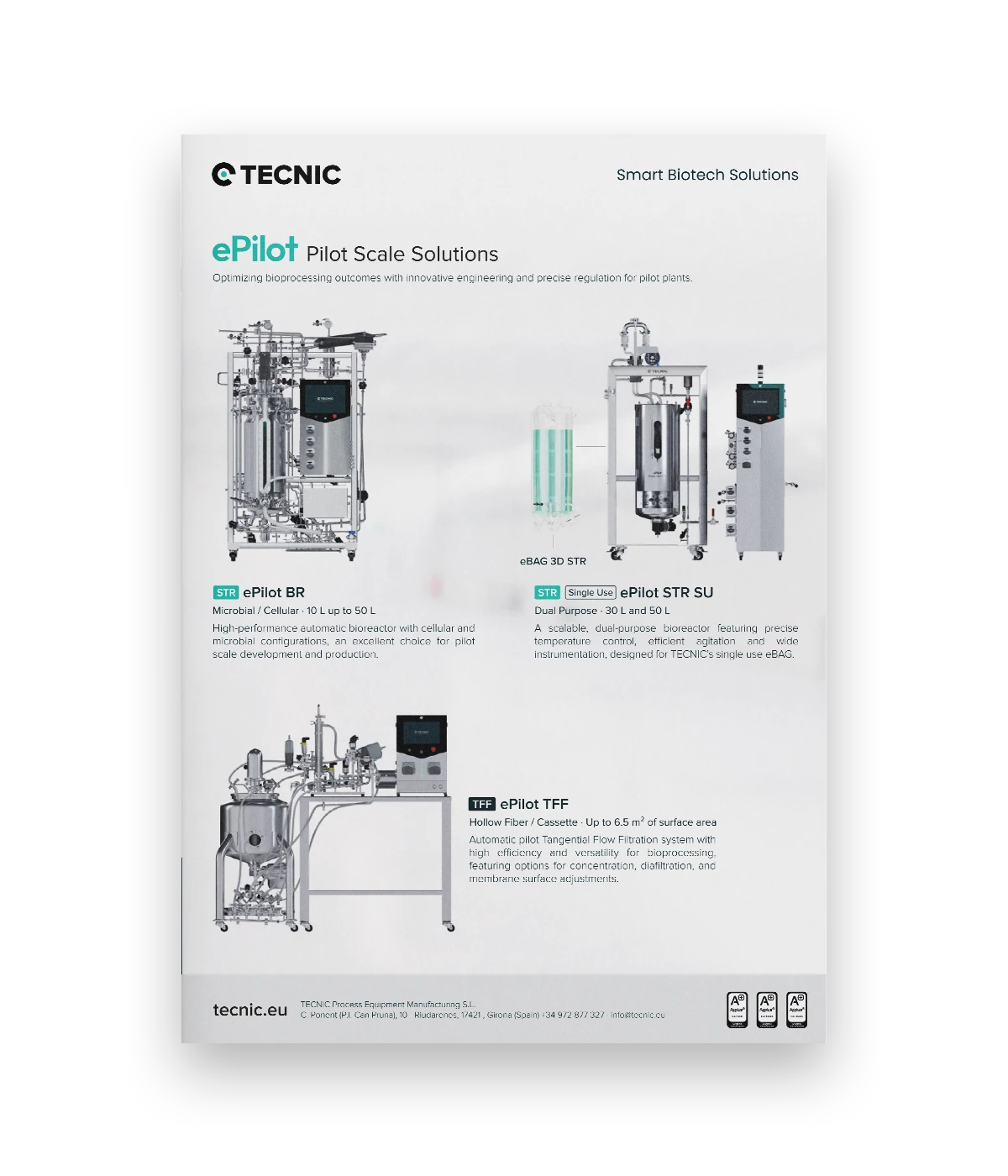
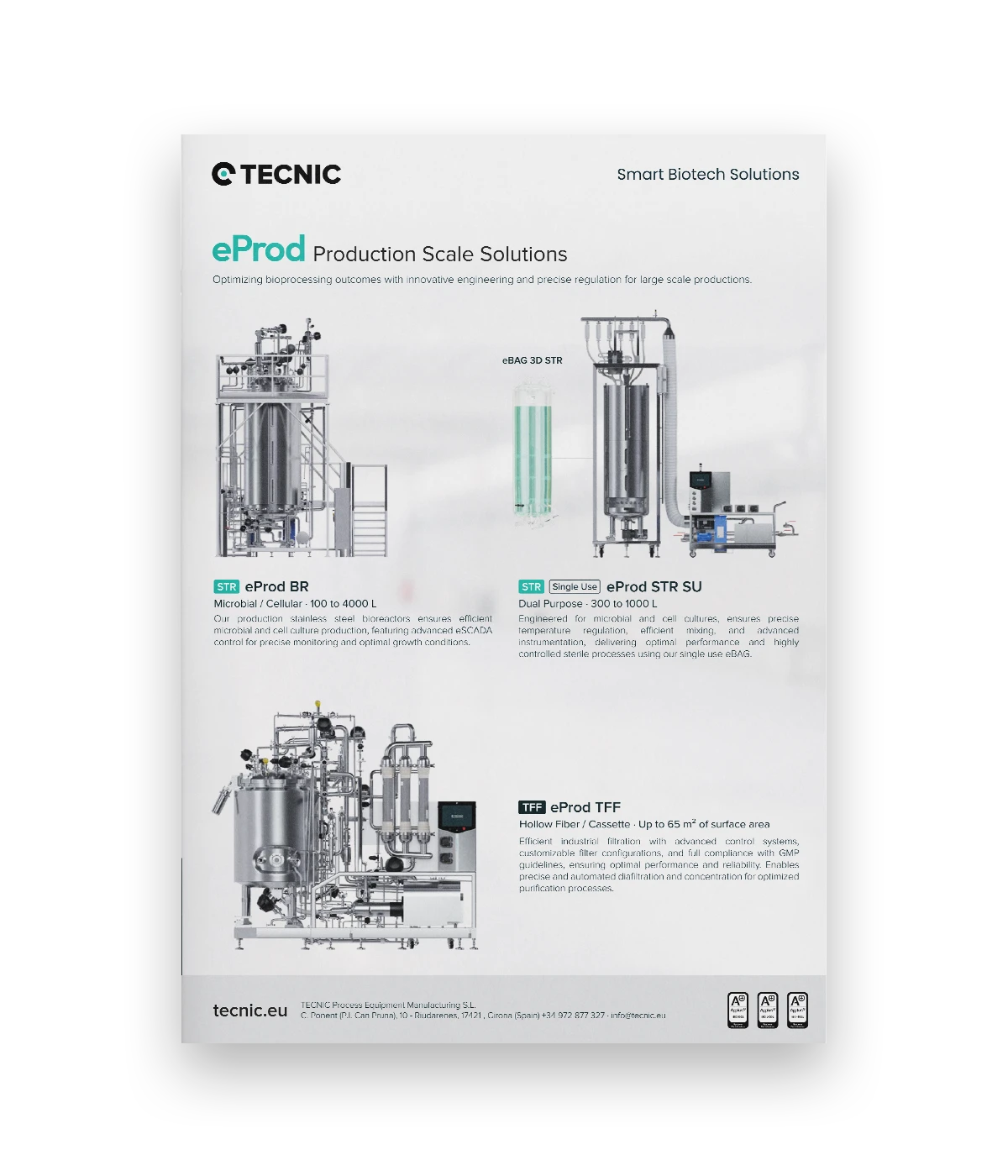
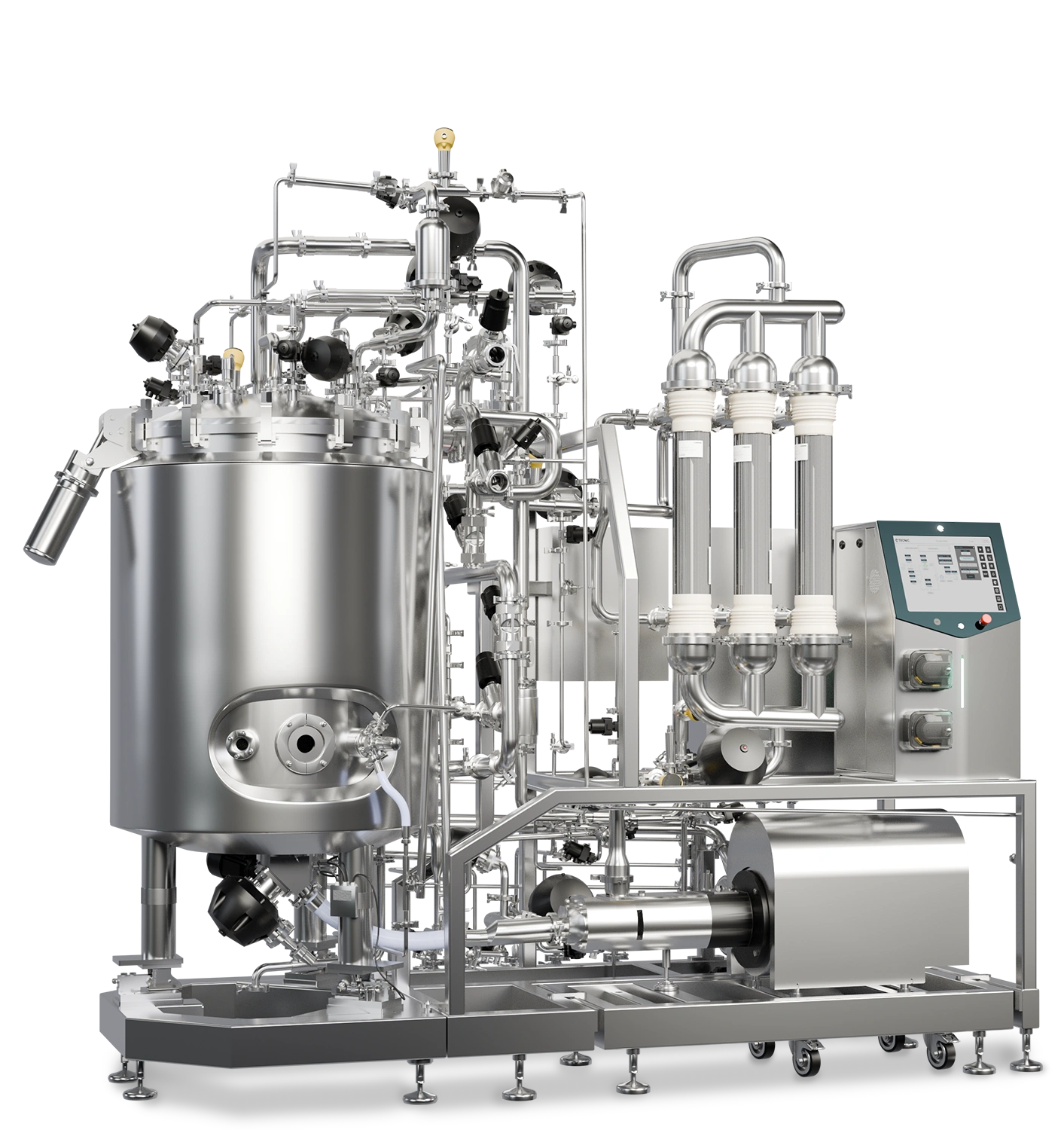
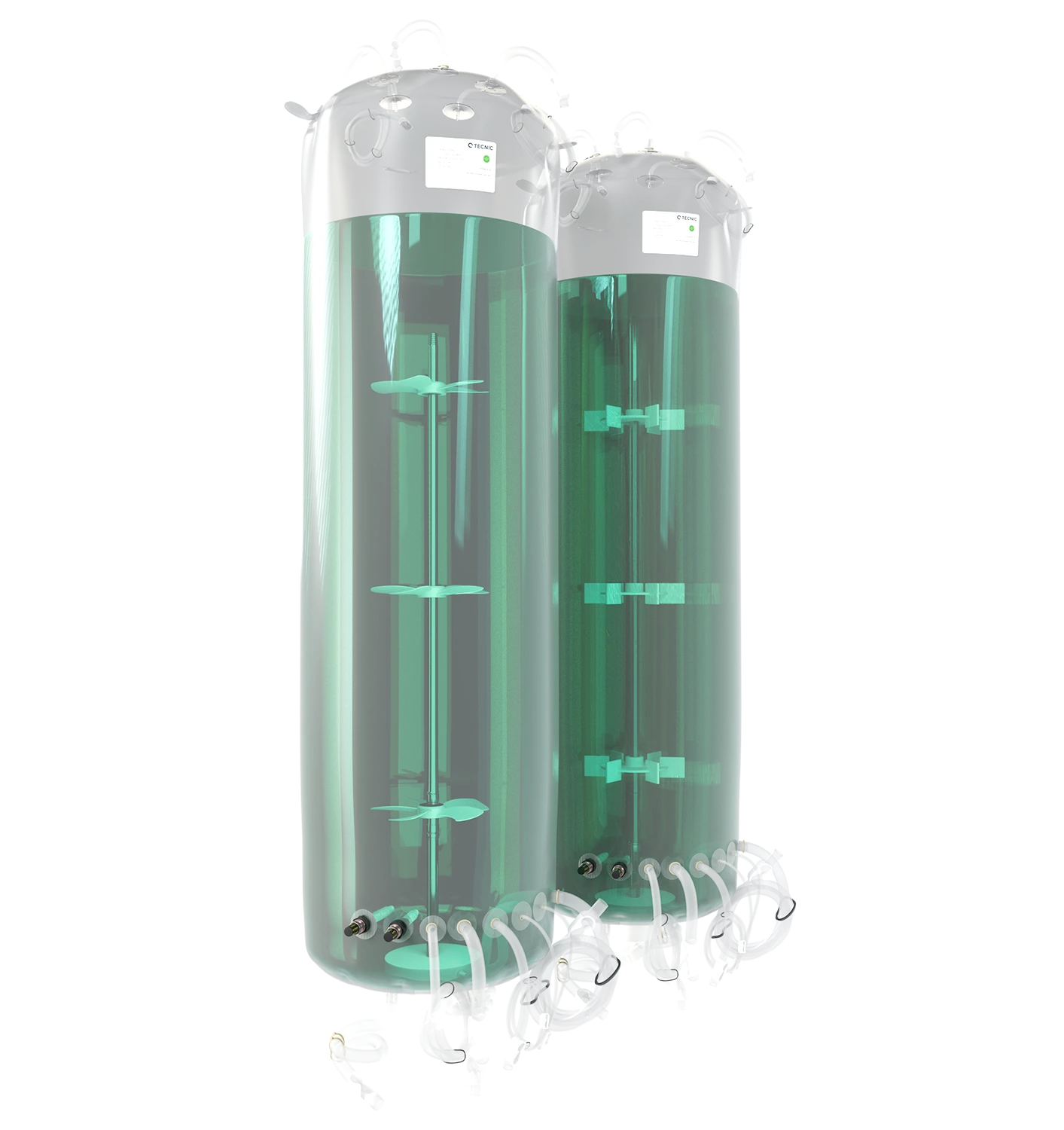
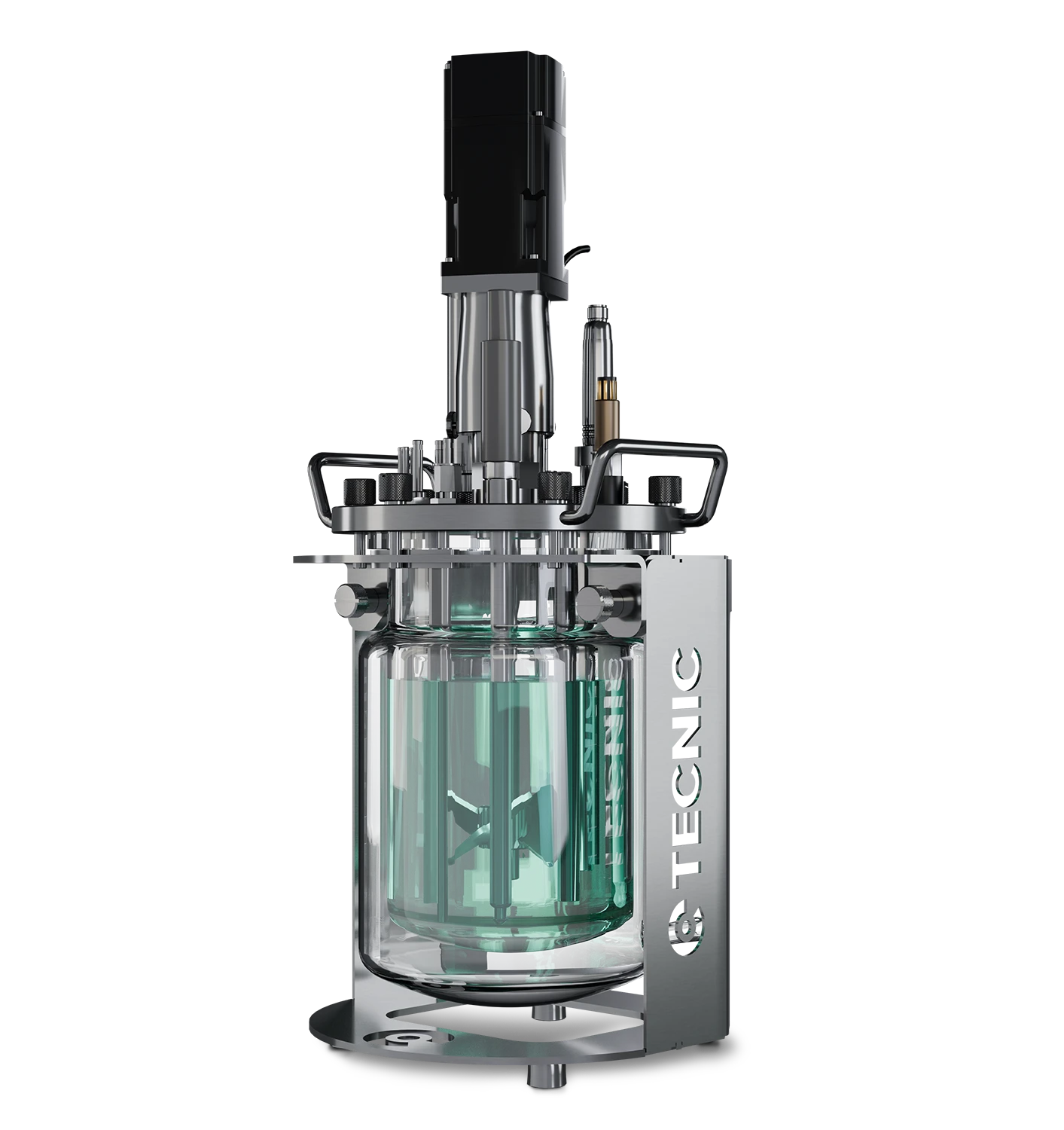
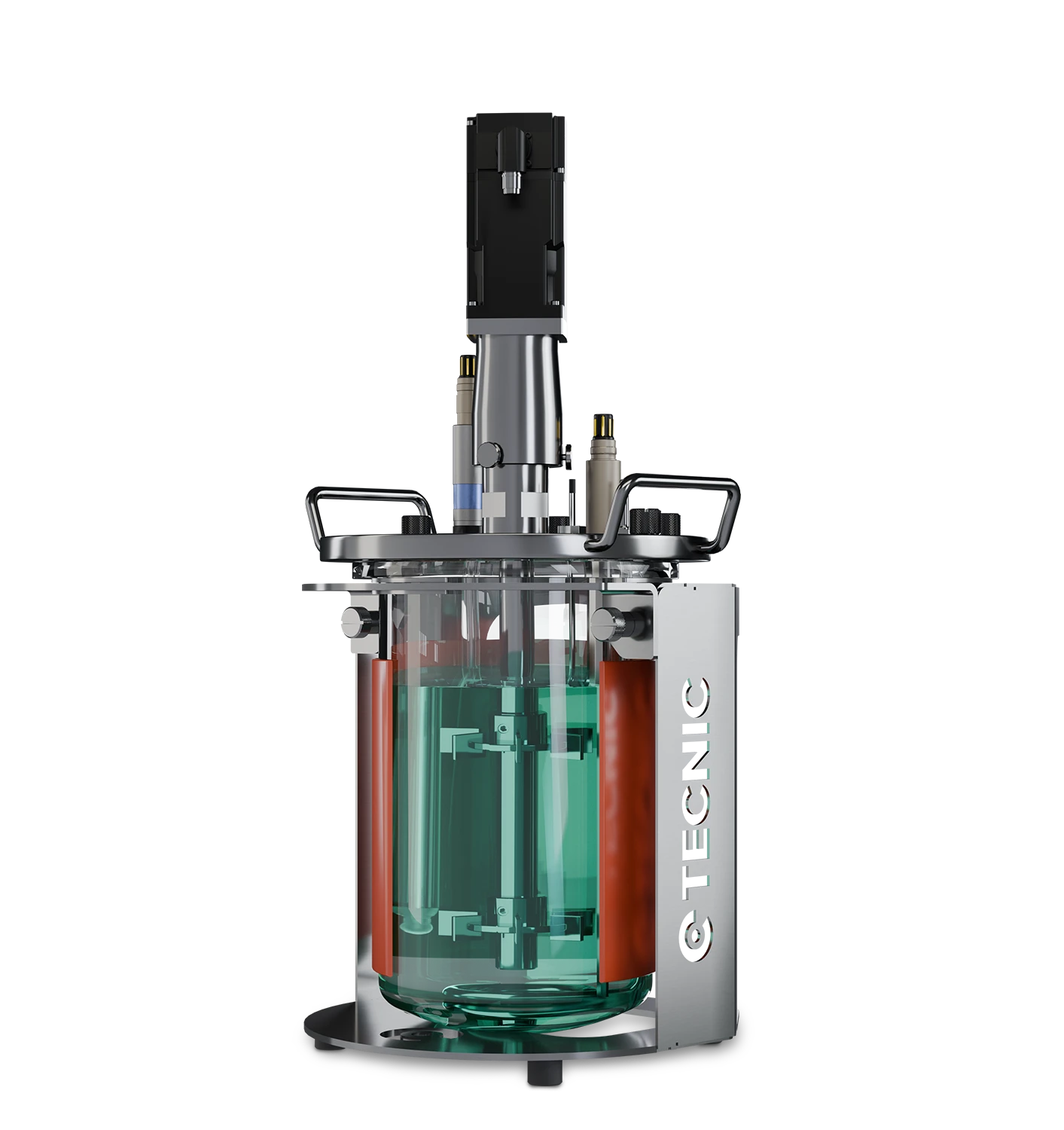
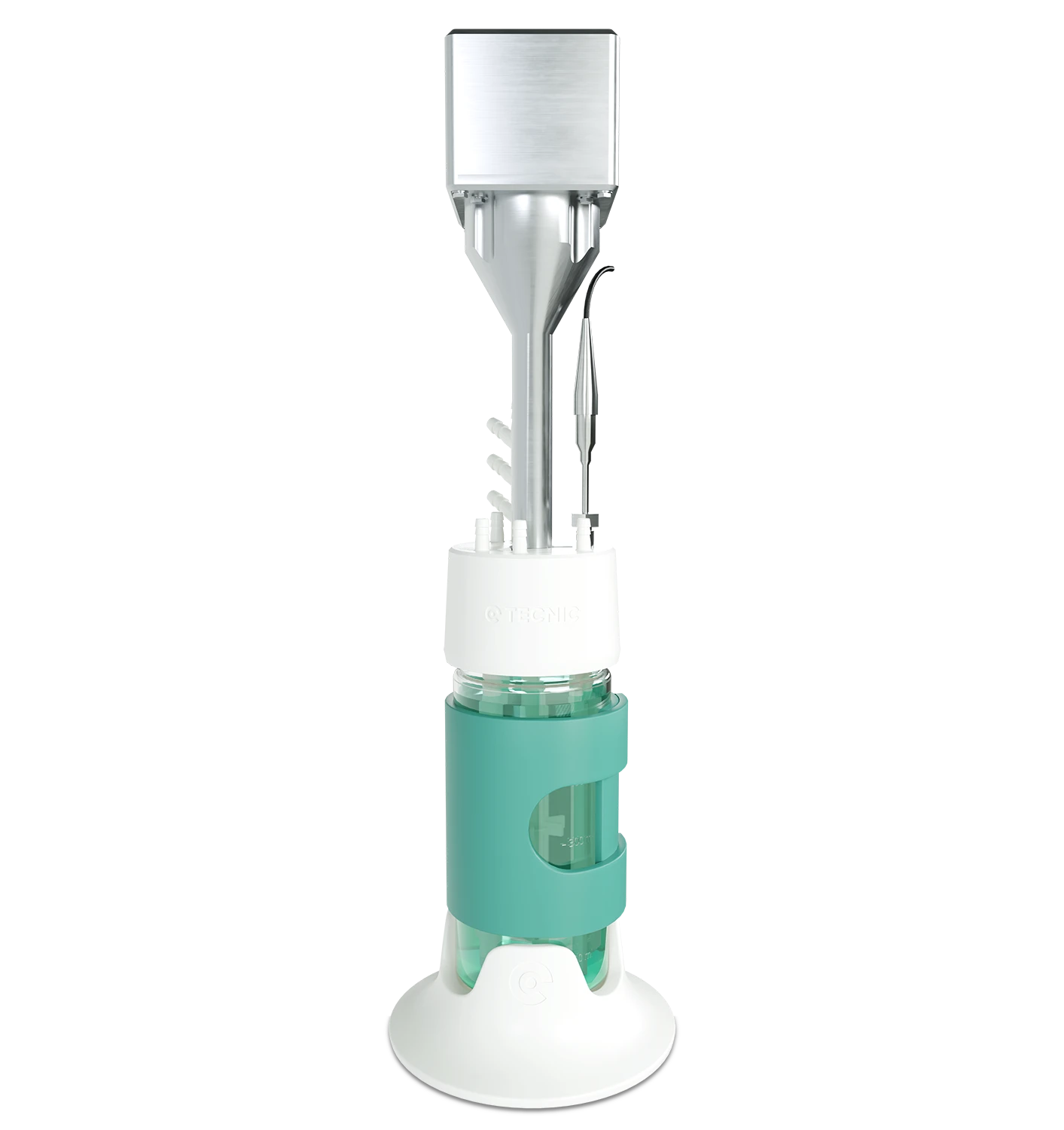
Bioreactors
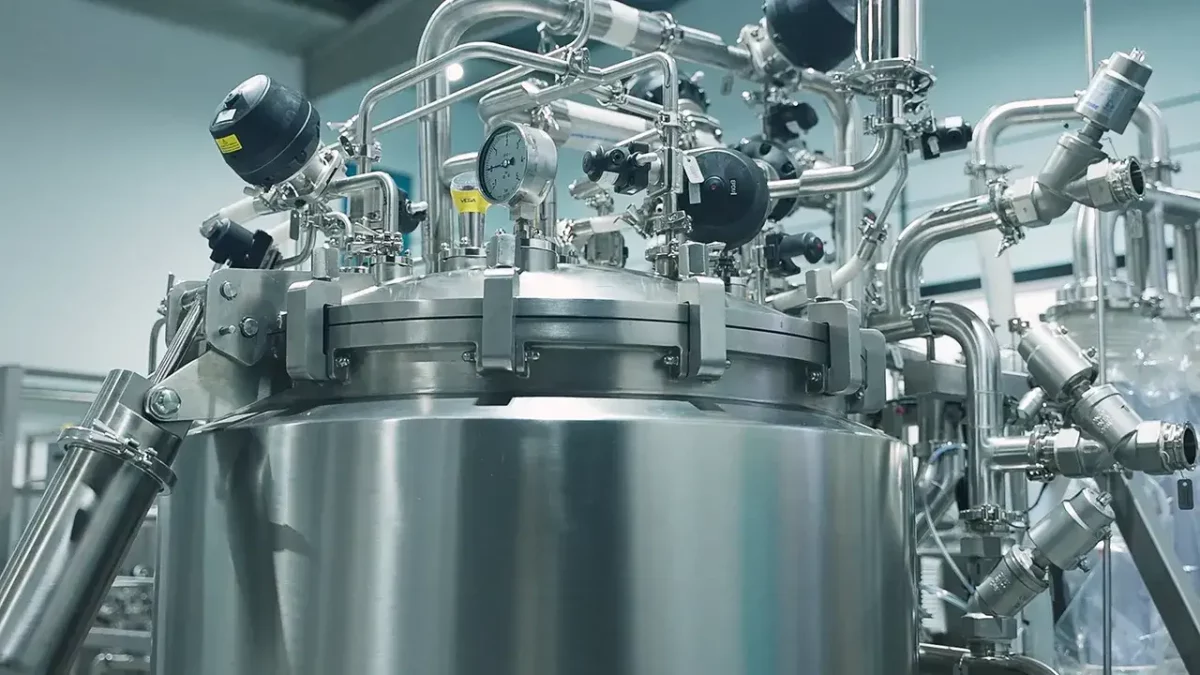
Relevant when yellow biotechnology processes need controlled fermentation from development to production.
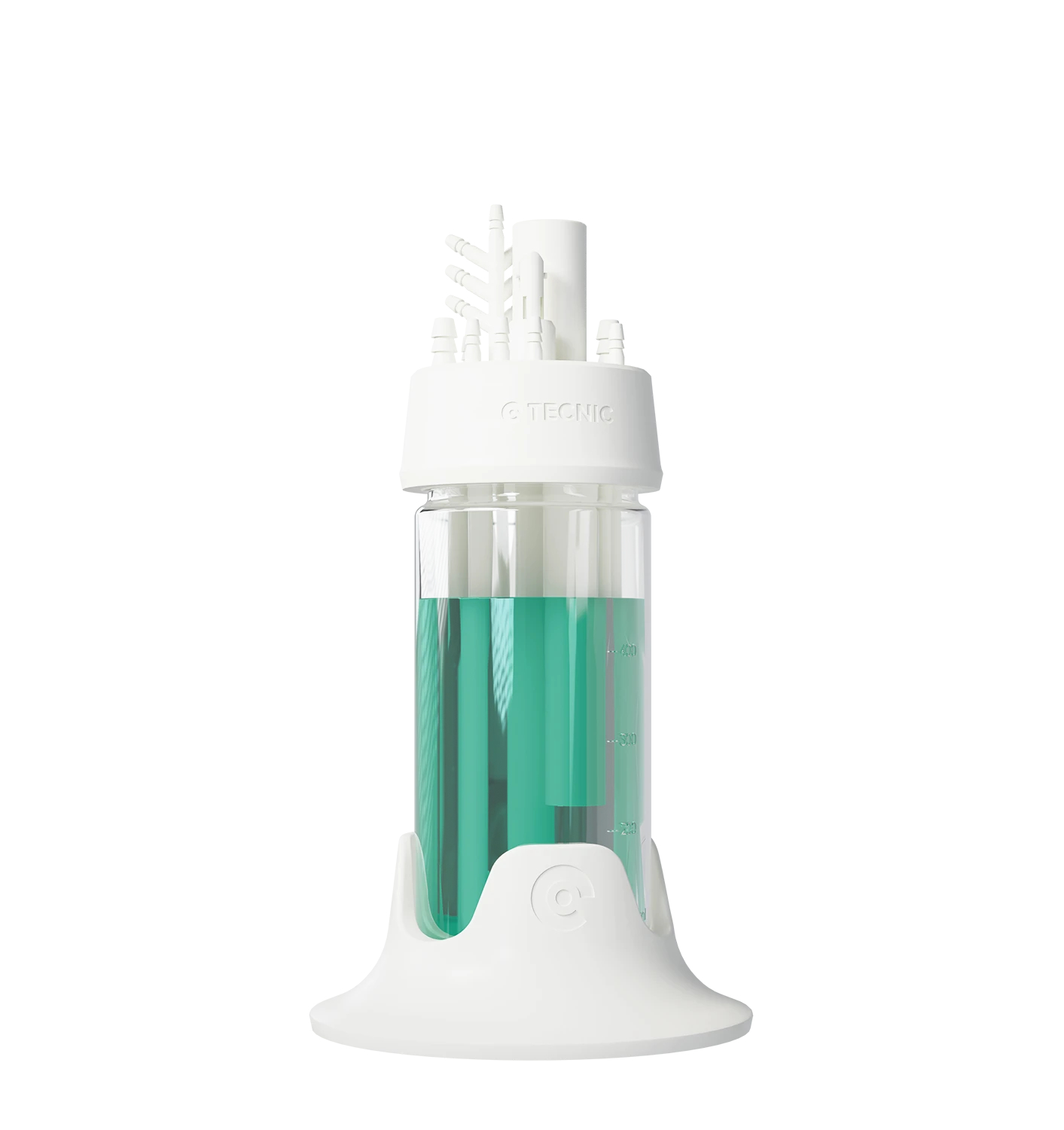
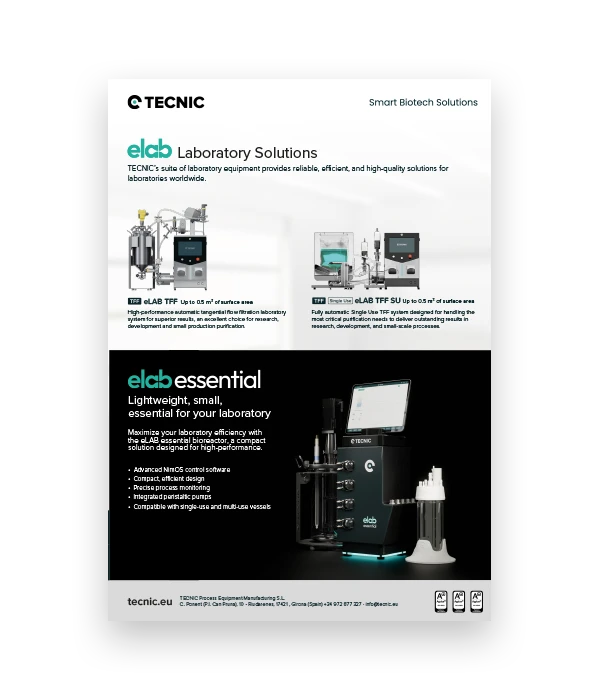
Laboratory equipment
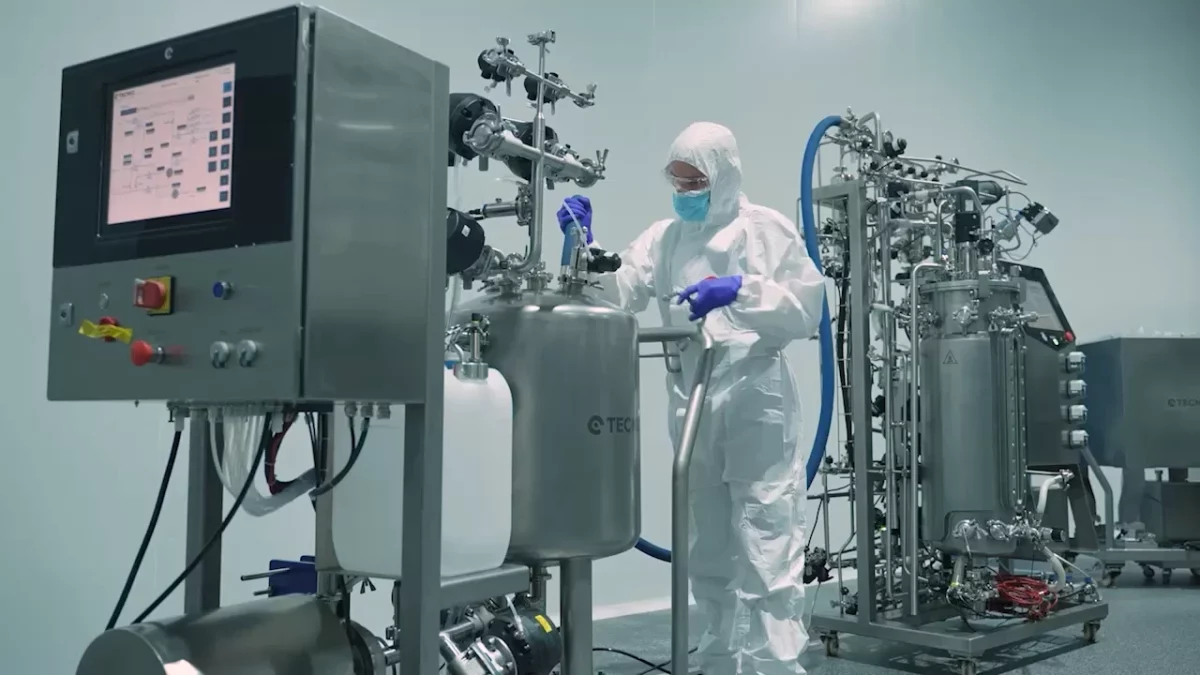
Useful for early-stage food biotechnology projects where strains, enzymes and formulations need to be tested under stable conditions.
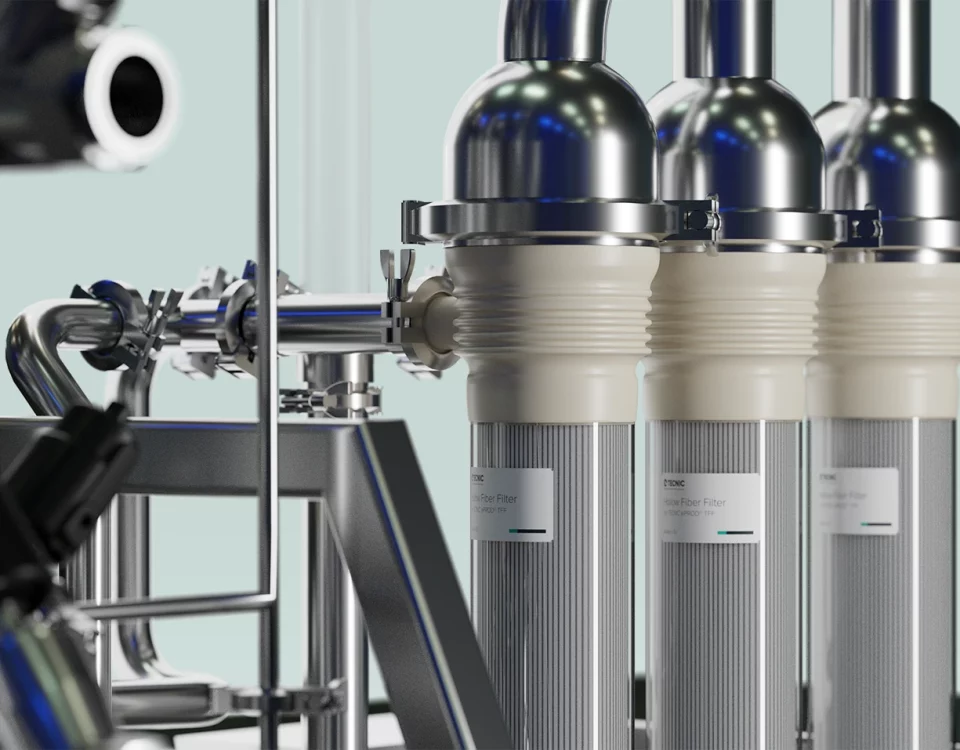
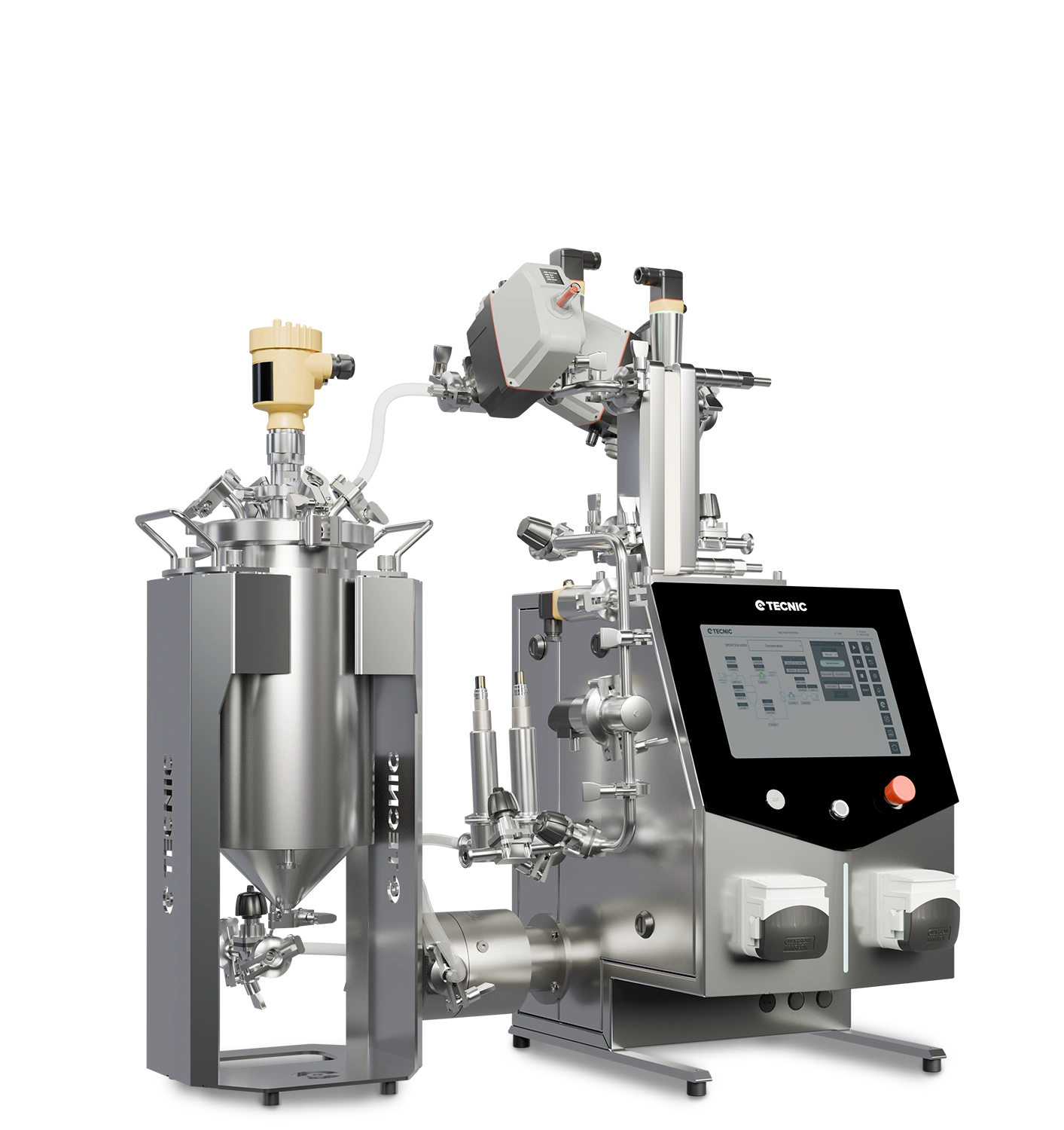
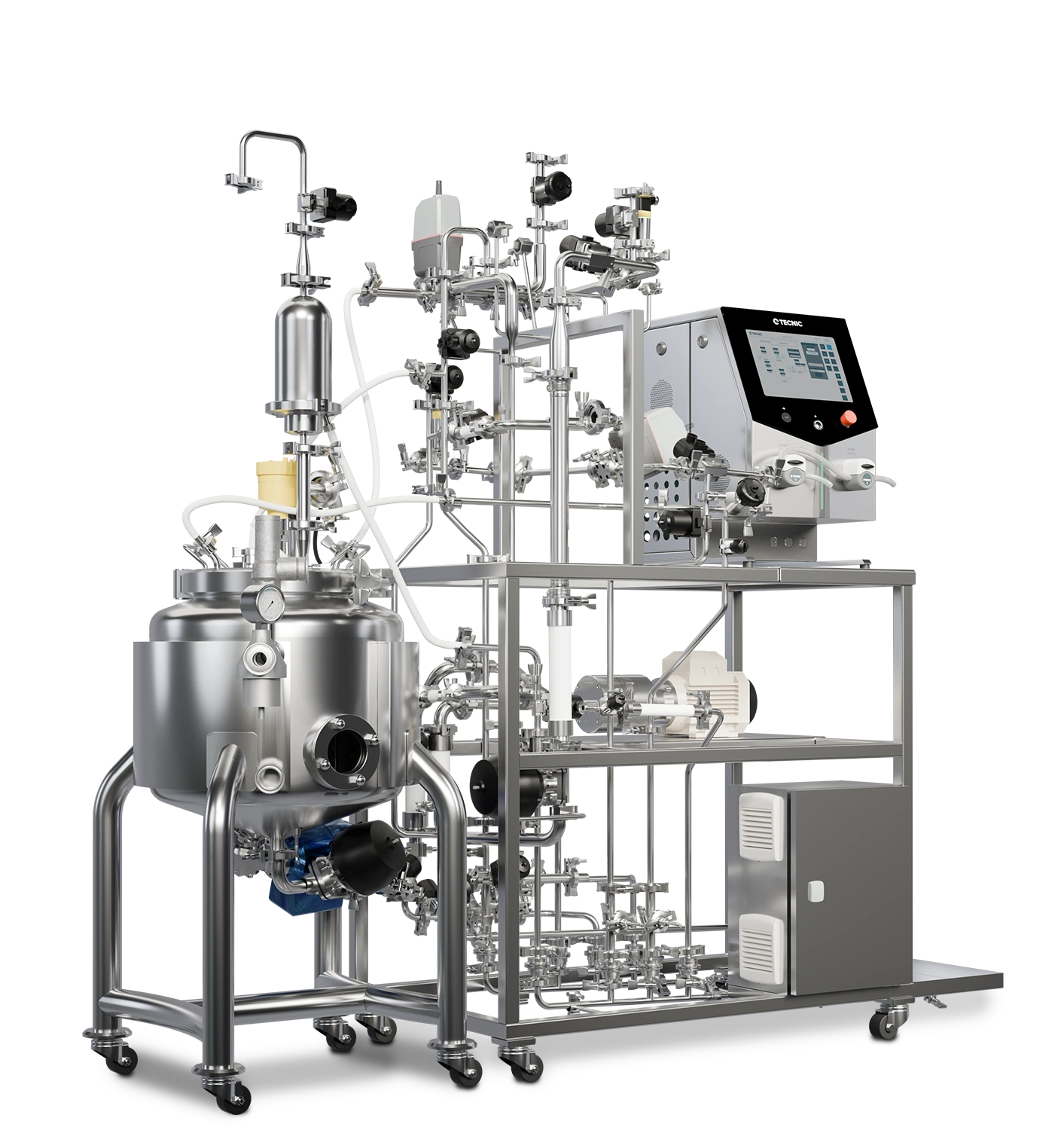
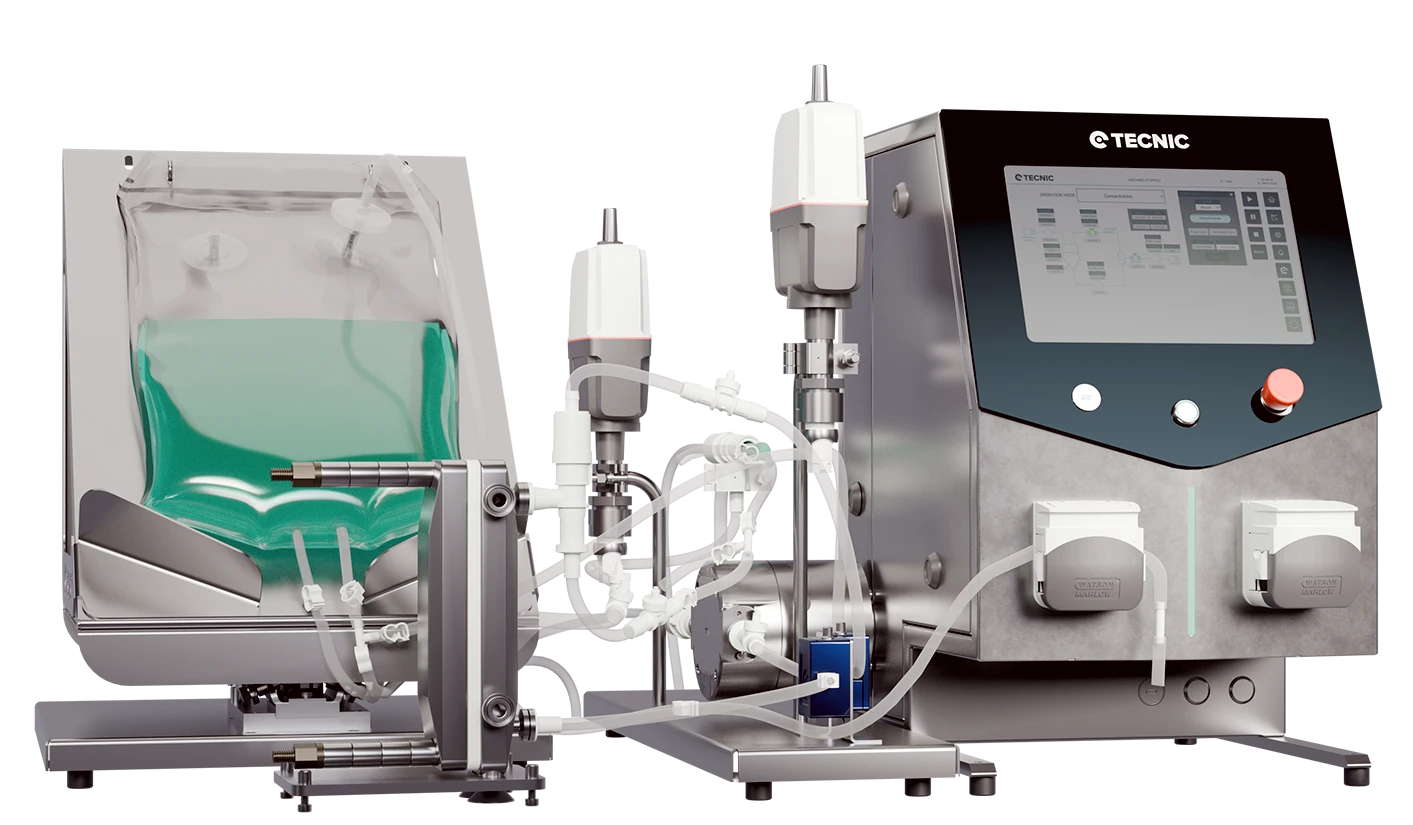
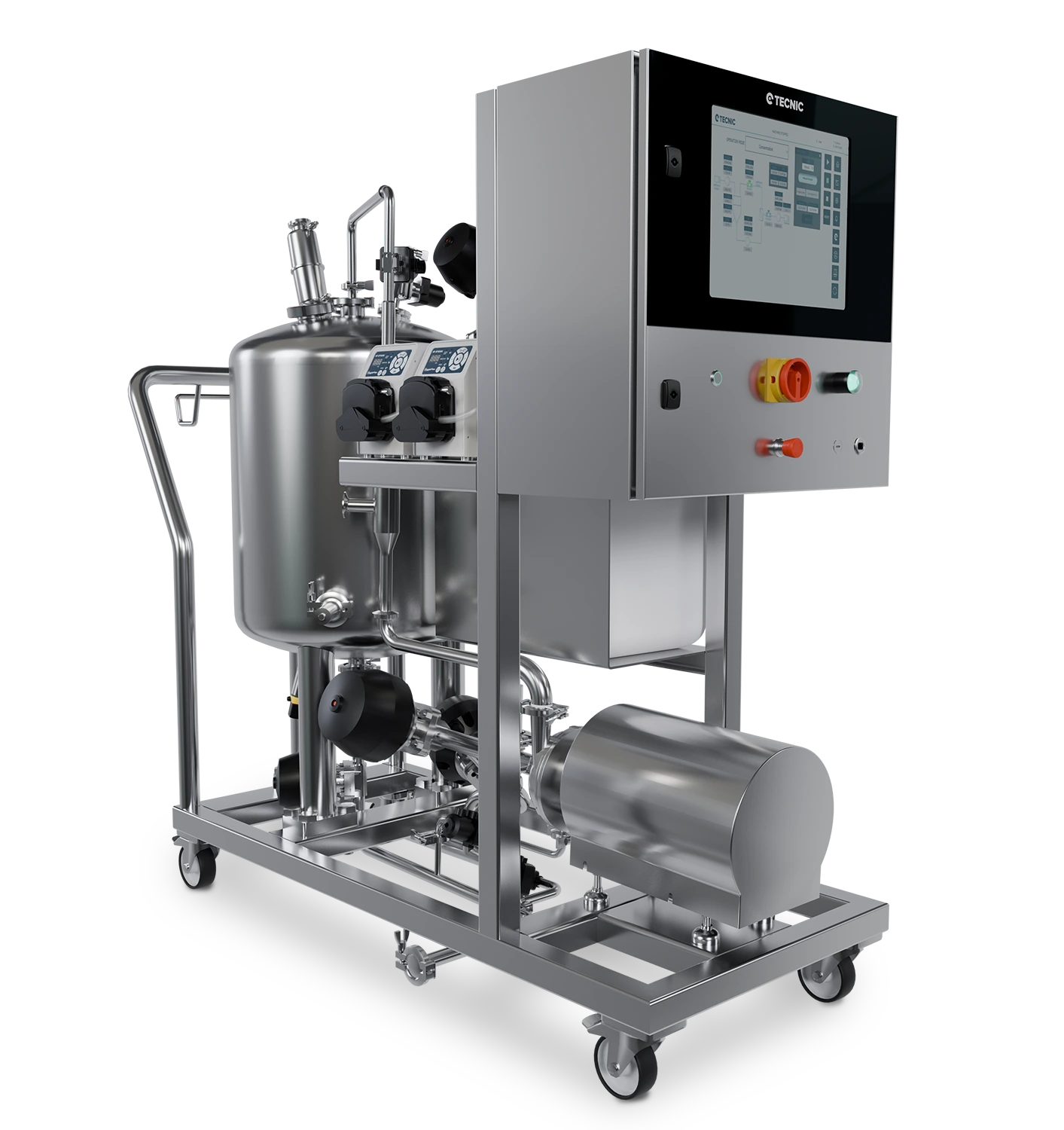
TFF systems
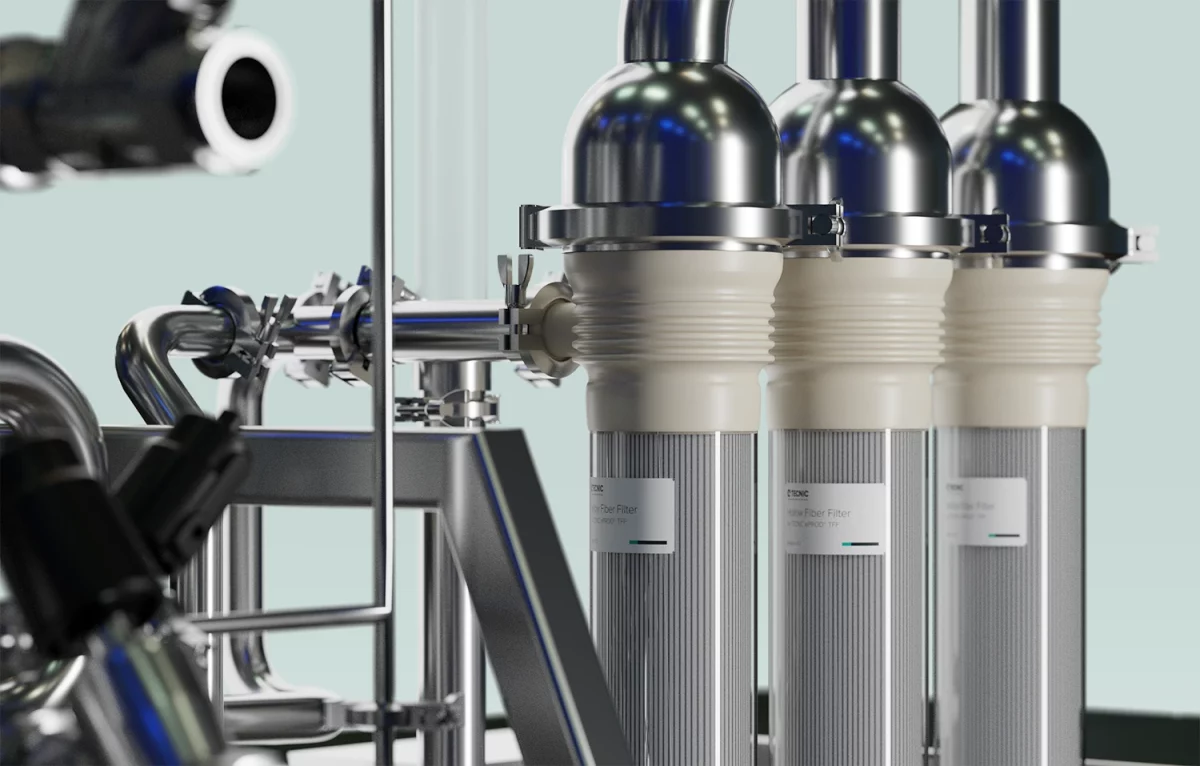
Relevant when downstream concentration, separation or water-efficient recovery become important after fermentation.
Contact TECNIC
When food biotechnology projects need stronger process consistency and scale-up logic, direct technical discussion becomes more useful than broad theory alone.
This article works best when yellow biotechnology is framed as a bridge between traditional food fermentation and next-generation ingredient production.
Frequently asked questions
What is yellow biotechnology?
It is the branch of biotechnology focused on food and ingredients, using microorganisms, enzymes and fermentation processes.
What is yellow biotechnology used for?
It is used in fermented foods, probiotics, food enzymes, biopreservation and precision fermentation for new ingredients.
Is yellow biotechnology only about traditional fermentation?
No. It also includes advanced food biotechnology such as probiotics, postbiotics and animal-free ingredients produced by fermentation.
What are the benefits of yellow biotechnology?
Its benefits include safer food, better quality, improved functionality, stronger sustainability and more efficient food processing.
Is precision fermentation part of yellow biotechnology?
Yes. It is one of the most advanced current routes within food biotechnology and ingredient innovation.
Exploring how food biotechnology connects with scalable fermentation and process control?
Explore TECNIC’s bioprocess solutions or speak with our team to review the right setup for controlled fermentation and ingredient development.